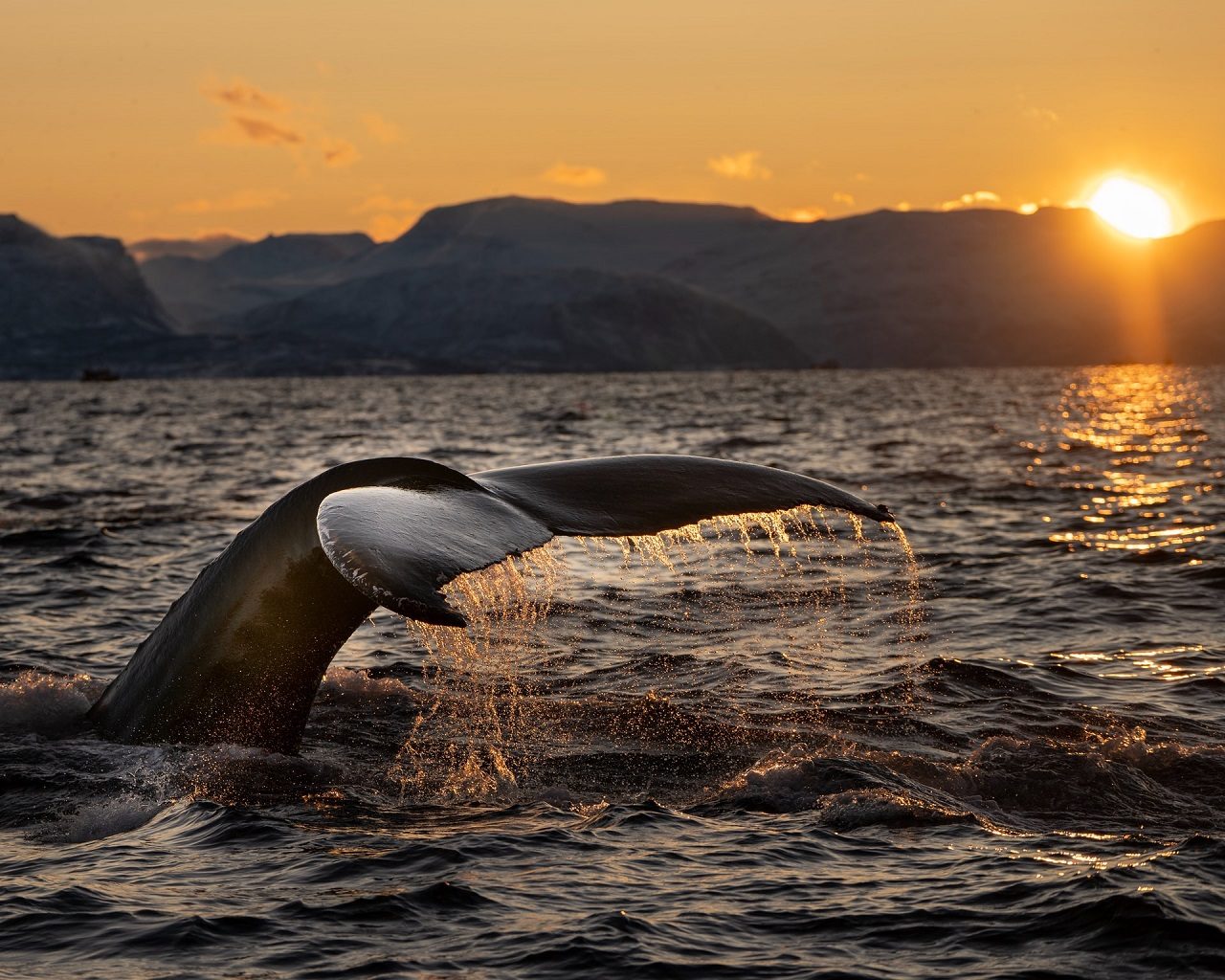
9 hr
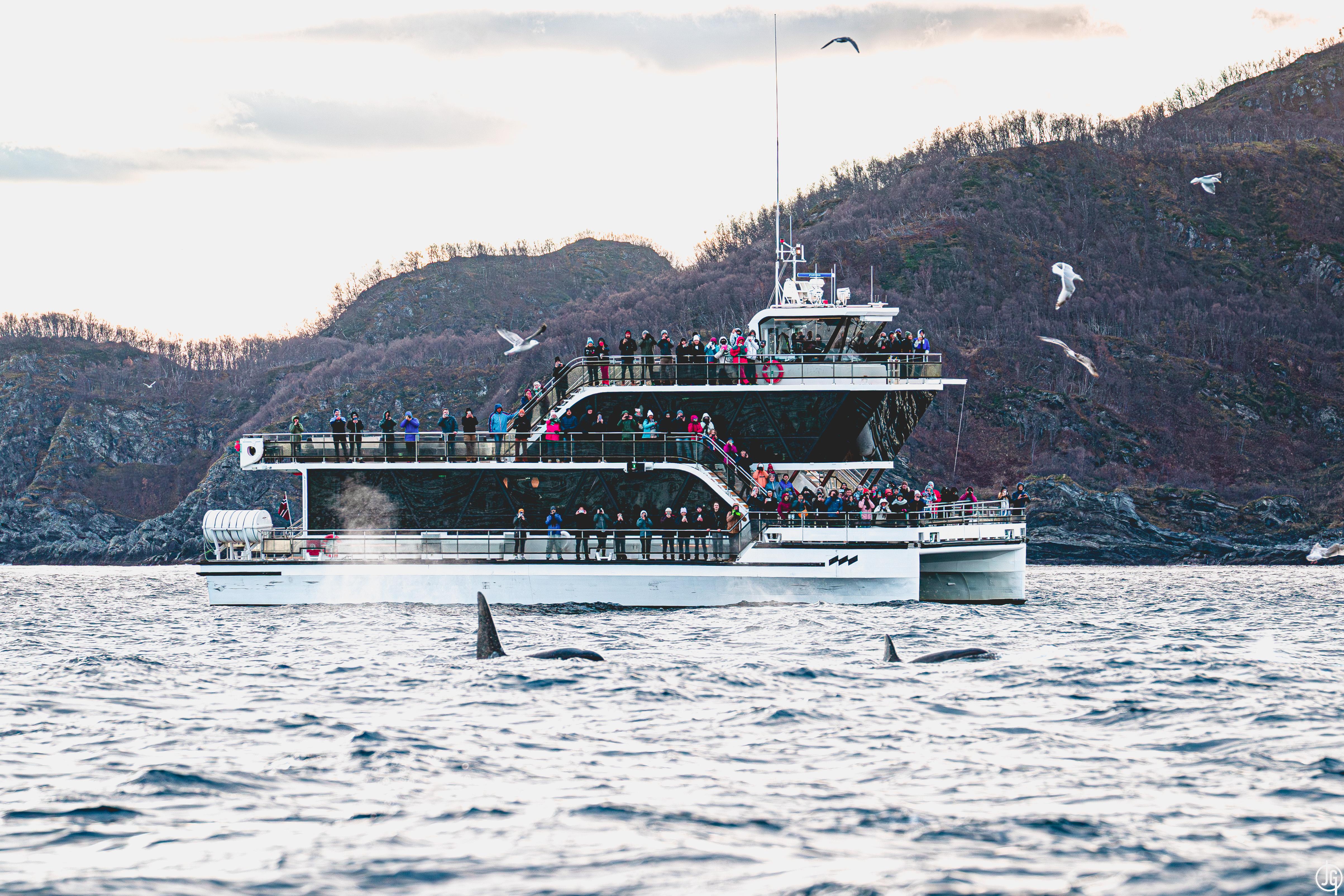
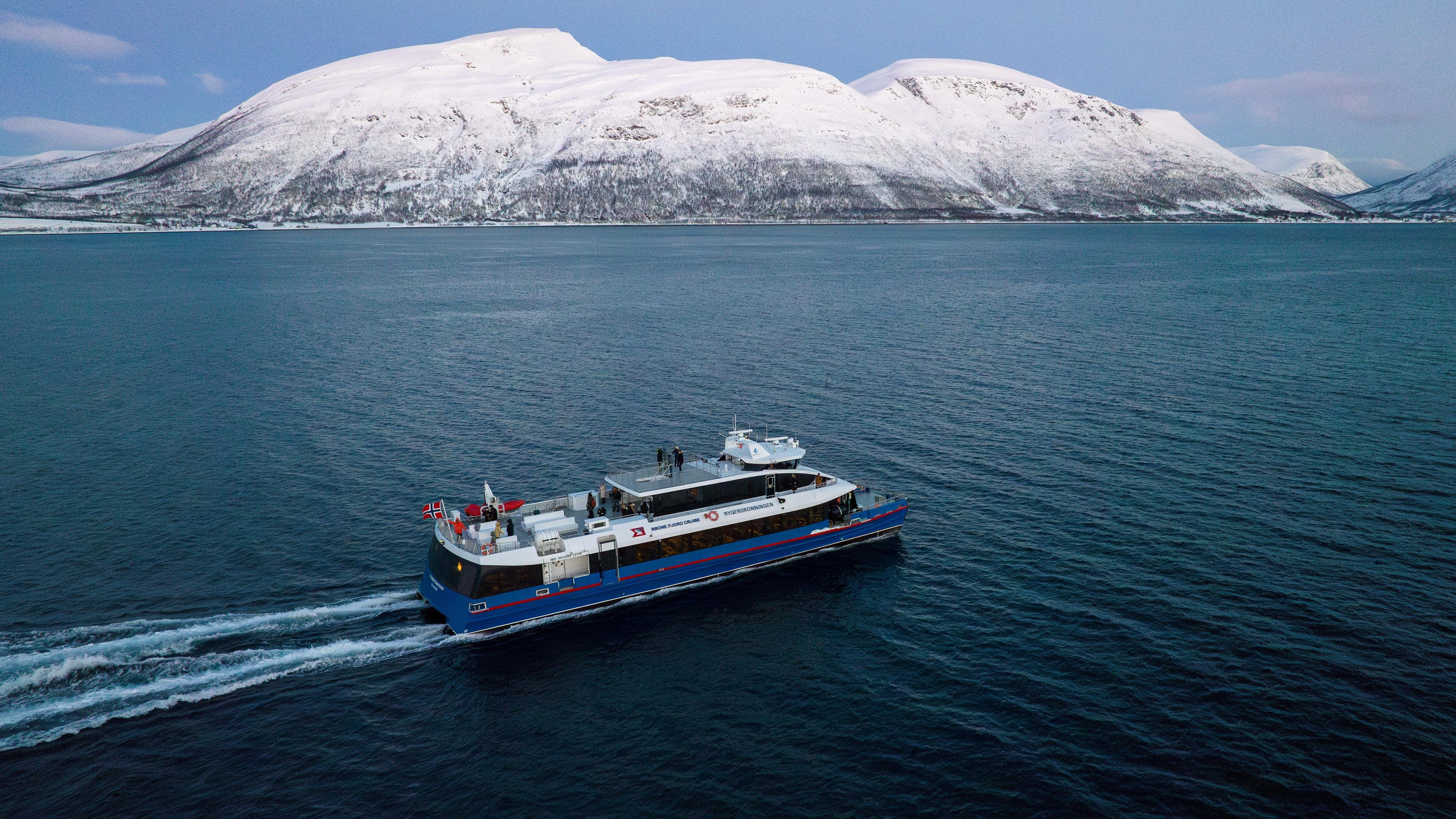
Arctic Whale Watching on Hybrid-Electric Catamaran
- Expert local guide
- Small group
- Skip-the-line access
- Free cancellation
Norway Whale Watching Packages — Arctic Safaris from Tromsø
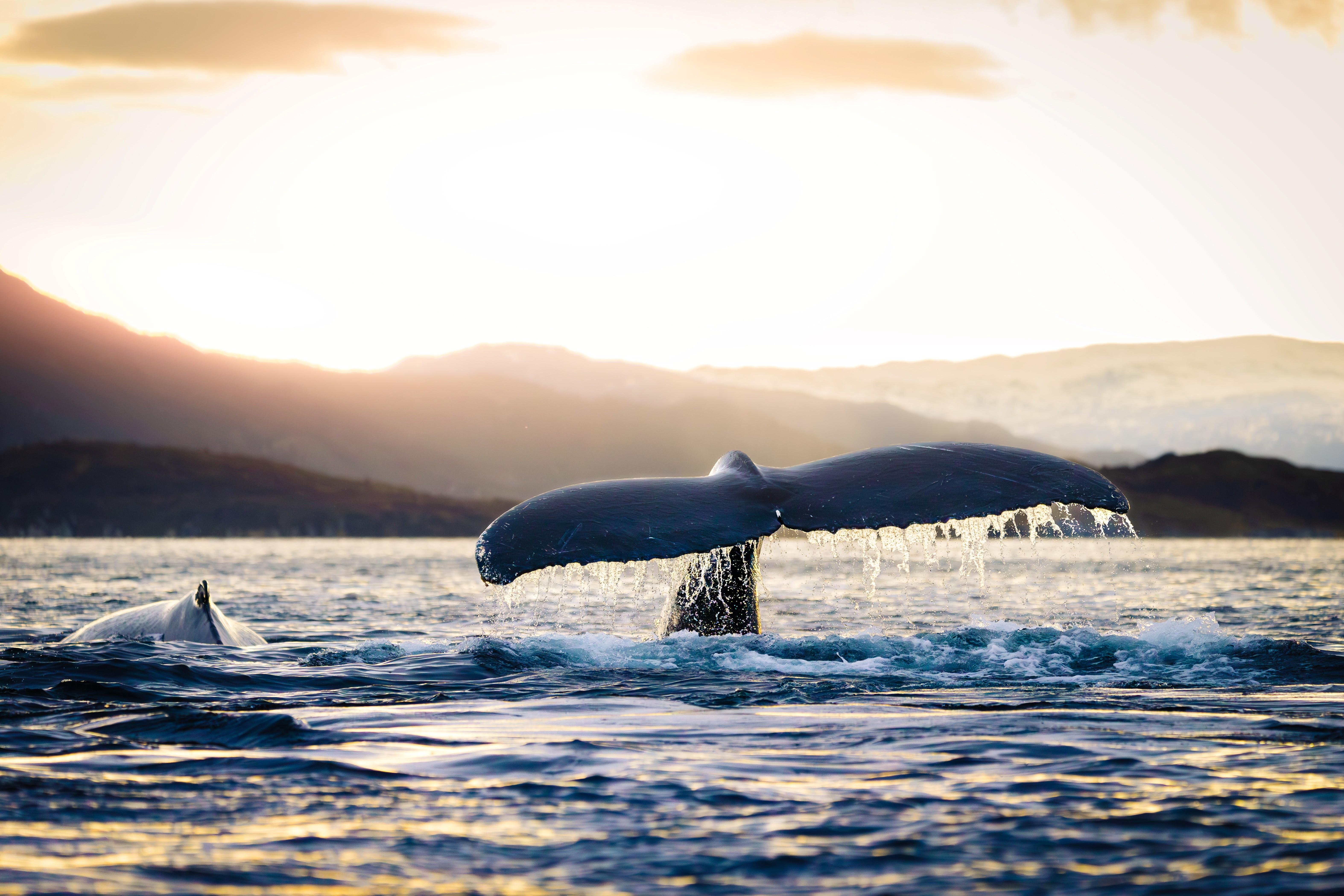
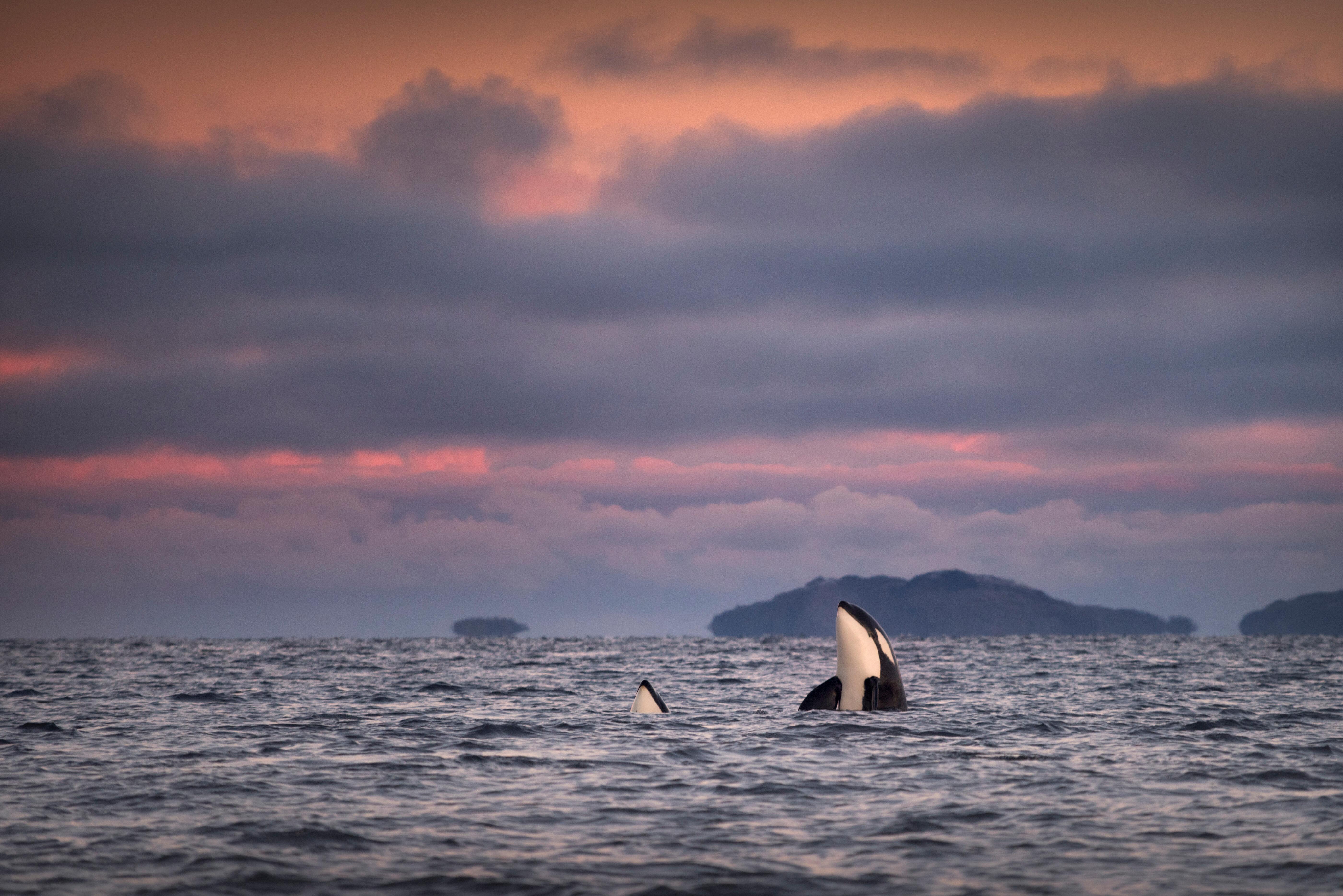
Humpbacks breach in deep fjords, orcas hunt beneath midnight sun
Compare fares, pick the fit — all bookings are mobile-voucher and eligible for free cancellation where shown.
9 hr
8 hr
12 hr
| Experience | Duration | Rating | Skip-the-line | Guide | Small group | Free cancel. | Price | |
|---|---|---|---|---|---|---|---|---|
|
Guided Experience
Most popular
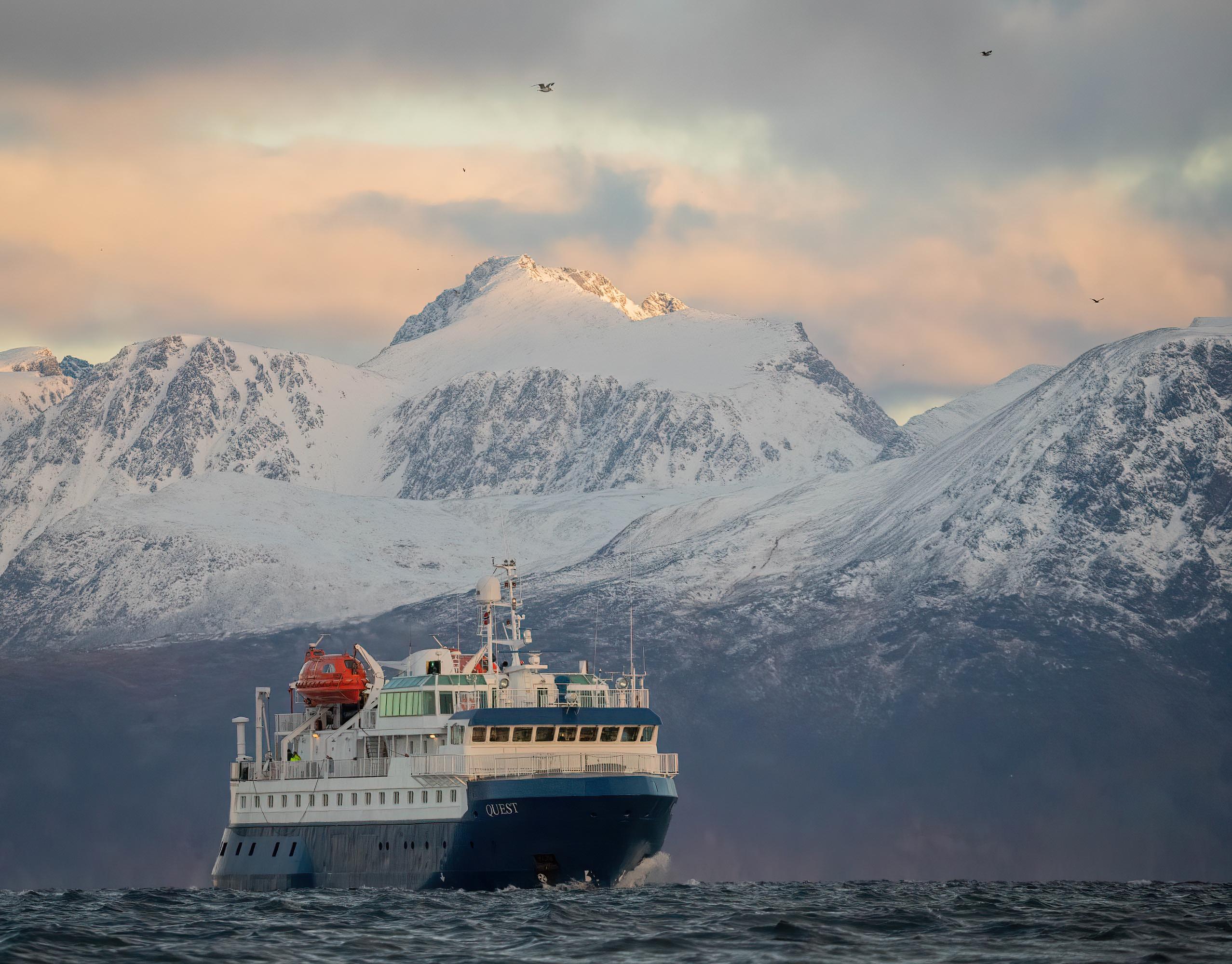
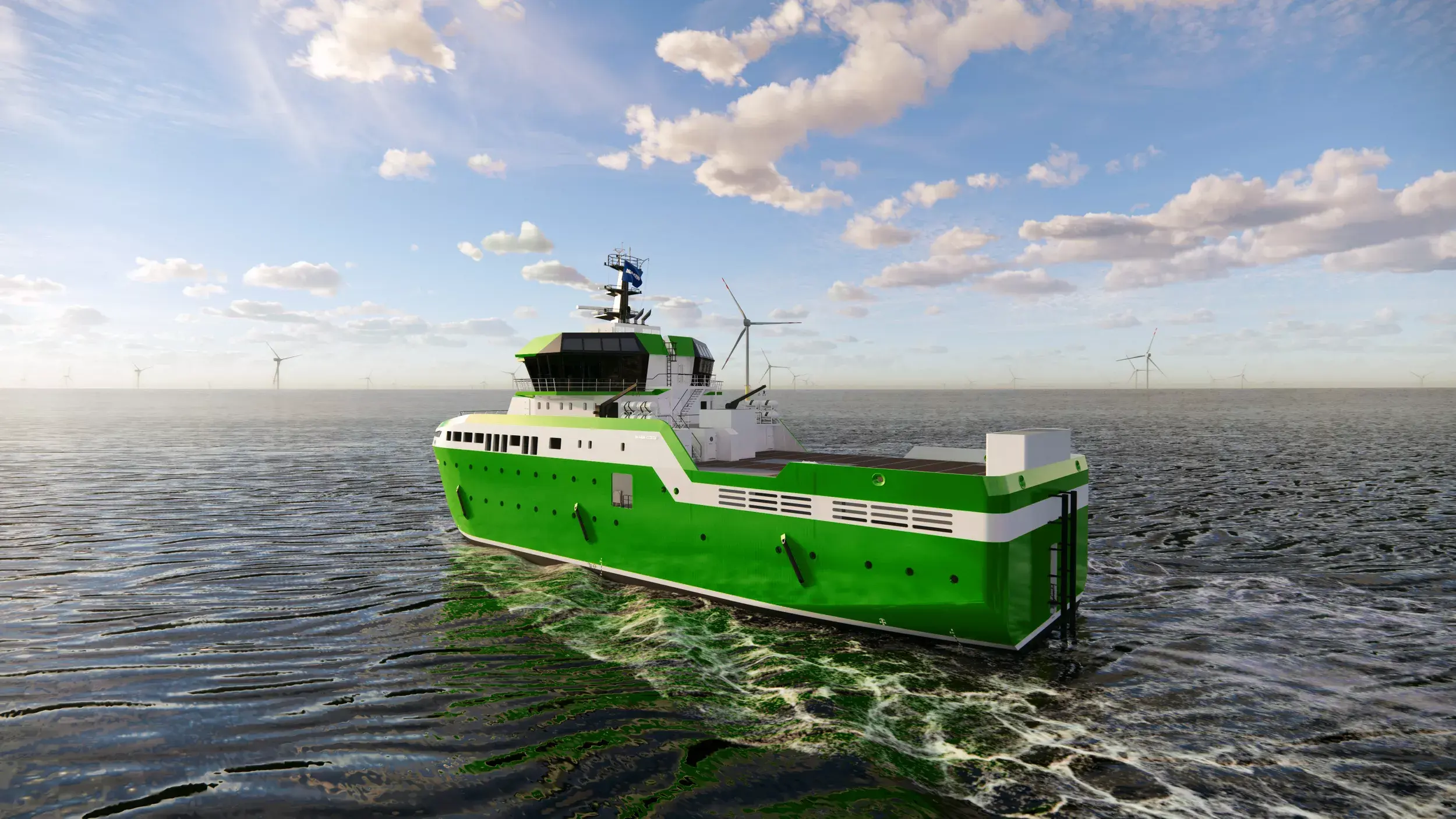
Arctic Whale Watching on Hybrid-Electric Catamaran
|
9 hr | ★ 4.5 | ✓ | ✓ | ✓ | ✓ | $225 | Book → |
|
Guided Experience
Whale Watching Safari on High-Speed Catamaran from Tromsø
|
8 hr | ★ 4.6 | ✓ | ✓ | ✓ | ✓ | €194 | Book → |
|
Guided Experience
Skjervøy RIB Whale Watching Expedition
|
12 hr | ★ 4.8 | ✓ | ✓ | ✓ | ✓ | €296 | Book → |
Worth it for wildlife enthusiasts and Arctic explorers
Norway whale watching packages command premium pricing—hybrid-electric catamaran tours typically run 1,290–1,590 NOK per adult, while high-speed options and RIB expeditions reach 1,990–2,490 NOK—but the value proposition centers on specialized Arctic marine wildlife access rather than casual sightseeing. Operators deploy purpose-built vessels equipped with hydrophones for orca communication monitoring and experienced marine biologists who interpret whale behavior in real time. Success rates hover around 85–95% during peak season (November–January) when humpback whales and orcas follow herring migrations into fjord systems near Tromsø and Skjervøy. The investment buys you 6–8 hours at sea with thermal suits provided, though sightings remain wildlife-dependent—no operator guarantees encounters. For passengers prioritizing rare wildlife observation over guaranteed entertainment, the combination of expert-led interpretation and hybrid propulsion that minimizes disturbance to marine mammals justifies the cost. Casual tourists seeking predictable photo opportunities may find better value in land-based attractions; dedicated naturalists will consider norway whale watching packages tours among Norway's most rewarding wildlife expenditures.
Bottom line: The steep cost of norway whale watching packages tickets pays off for serious wildlife observers who value expert-guided access to Arctic cetacean behavior over guaranteed entertainment.
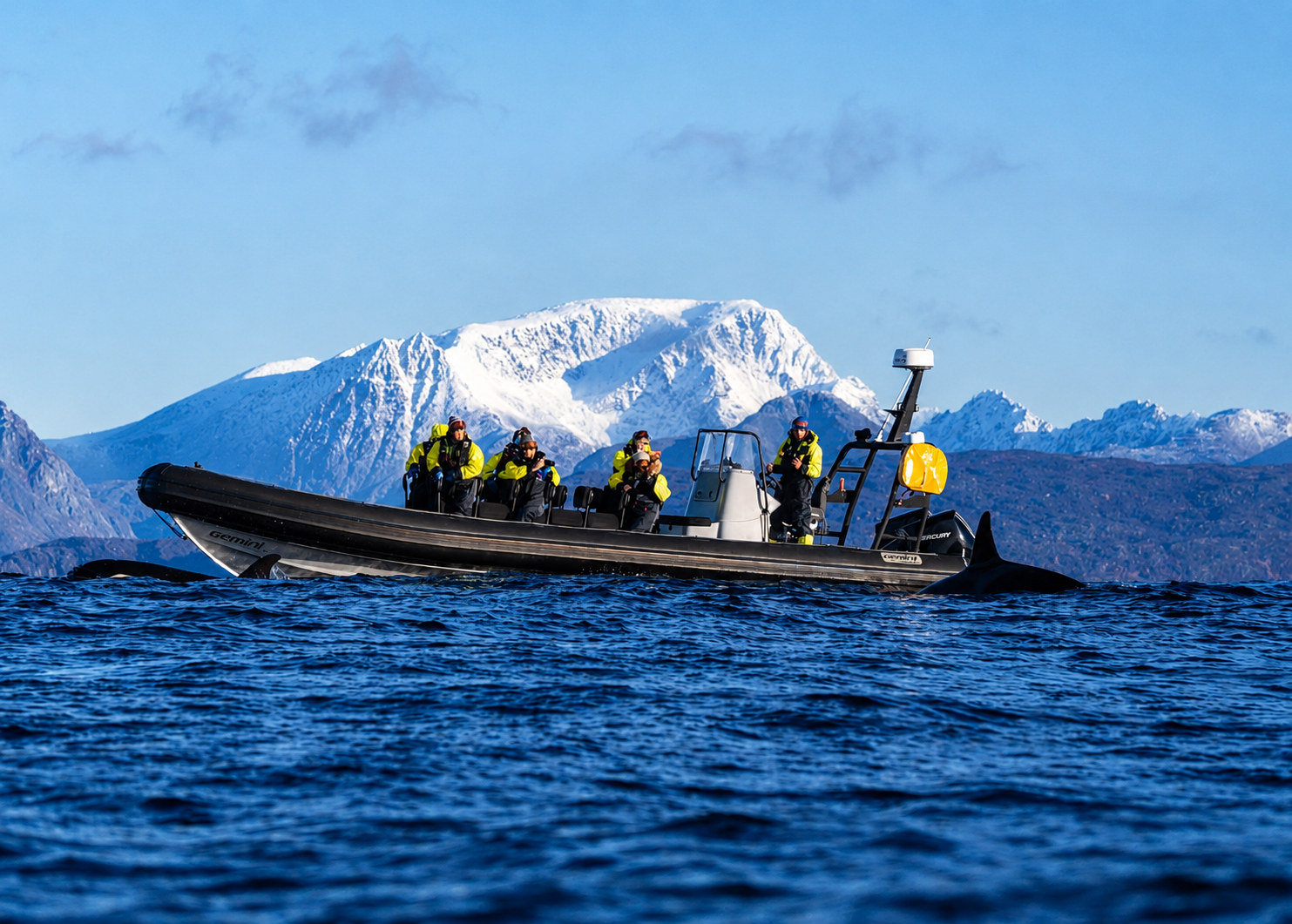
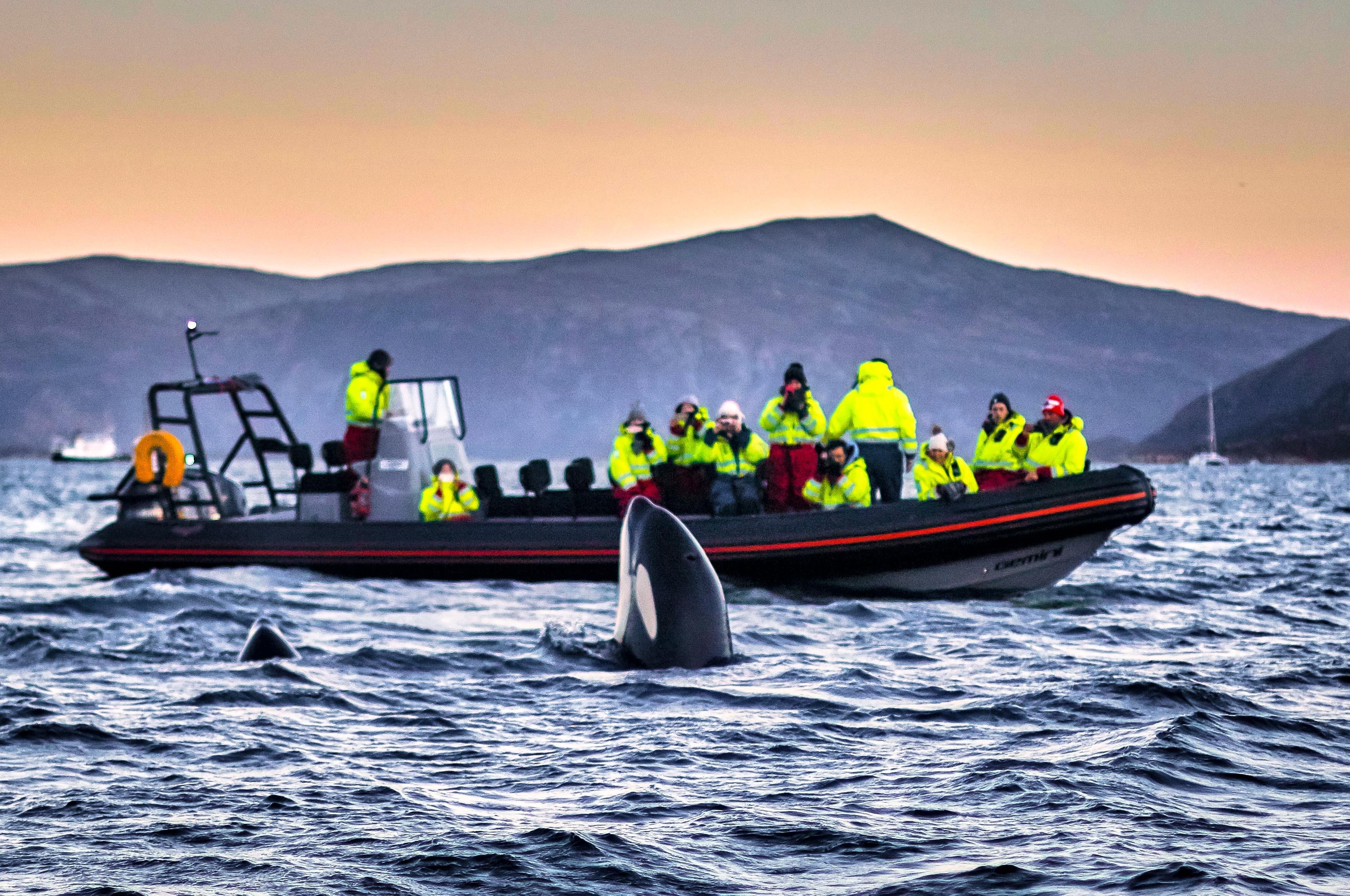
Hybrid-electric catamarans offer a stable, comfortable environment, while RIBs provide a faster, more visceral experience; most visitors who seek comfort choose the catamaran, whereas those wanting adrenaline prefer the RIB.
|
Top pick Brim Explorer |
RIB Safari | |
|---|---|---|
| Speed and maneuverability | Moderate speed; high stability | High speed; agile handling |
| Indoor comfort/Heating | Available indoor cabin; heated areas | None; open air exposure |
| Wildlife proximity | Controlled viewing from deck | Close encounters; eye-level perspective |
| Group size | Large capacity vessel | Small intimate groups |
| Accessibility for children | Suitable for all ages | Restricted by age/height |
| Exposure to elements | Protected; indoor/outdoor access | Full exposure to weather |
| See tickets & prices |
Verdict: For travelers considering norway whale watching packages tours, the catamaran is better for groups prioritizing onboard warmth, while the RIB safari is ideal for those seeking direct ocean contact with these marine mammals.
Hand-picked experiences loved by thousands of travelers
12 hours
Free Cancellation
Witness orcas and humpback whales feeding in Arctic fjords during an unforgettable full-day adventure
8 hours
Free Cancellation
Sail into Arctic waters aboard a heated vessel to spot orcas, humpbacks, and sea eagles with a local crew
7.5 hours
Free Cancellation
Search for humpback whales, orcas and fin whales on a high-speed catamaran journey through Arctic fjords
4 hours
Free Cancellation
Search for orcas and humpbacks in Norway's Arctic waters aboard a warm, intimate vessel with expert guides
3.5 hours
Free Cancellation
Hunt for sperm whales and puffins aboard a high-speed RIB in Norway's wildlife-rich Vesterålen archipelago.
4 to 12 hours
Free Cancellation
Speed through Norwegian fjords on a RIB boat searching for orcas, humpbacks, and fin whales during migration season
8 hours
Free Cancellation
Eight-hour Arctic expedition tracking orcas and humpbacks through winter fjords with expert guides
24 hours
Free Cancellation
Spend 24 hours at sea chasing the Northern Lights and watching whales in their natural habitat aboard a small expedition ship
Arrive at Samuel Arnesens gate 5 for gear check.
Board the vessel and receive a safety briefing.
Travel to offshore feeding grounds to find whales.
Dock back at the harbor in Tromsø.
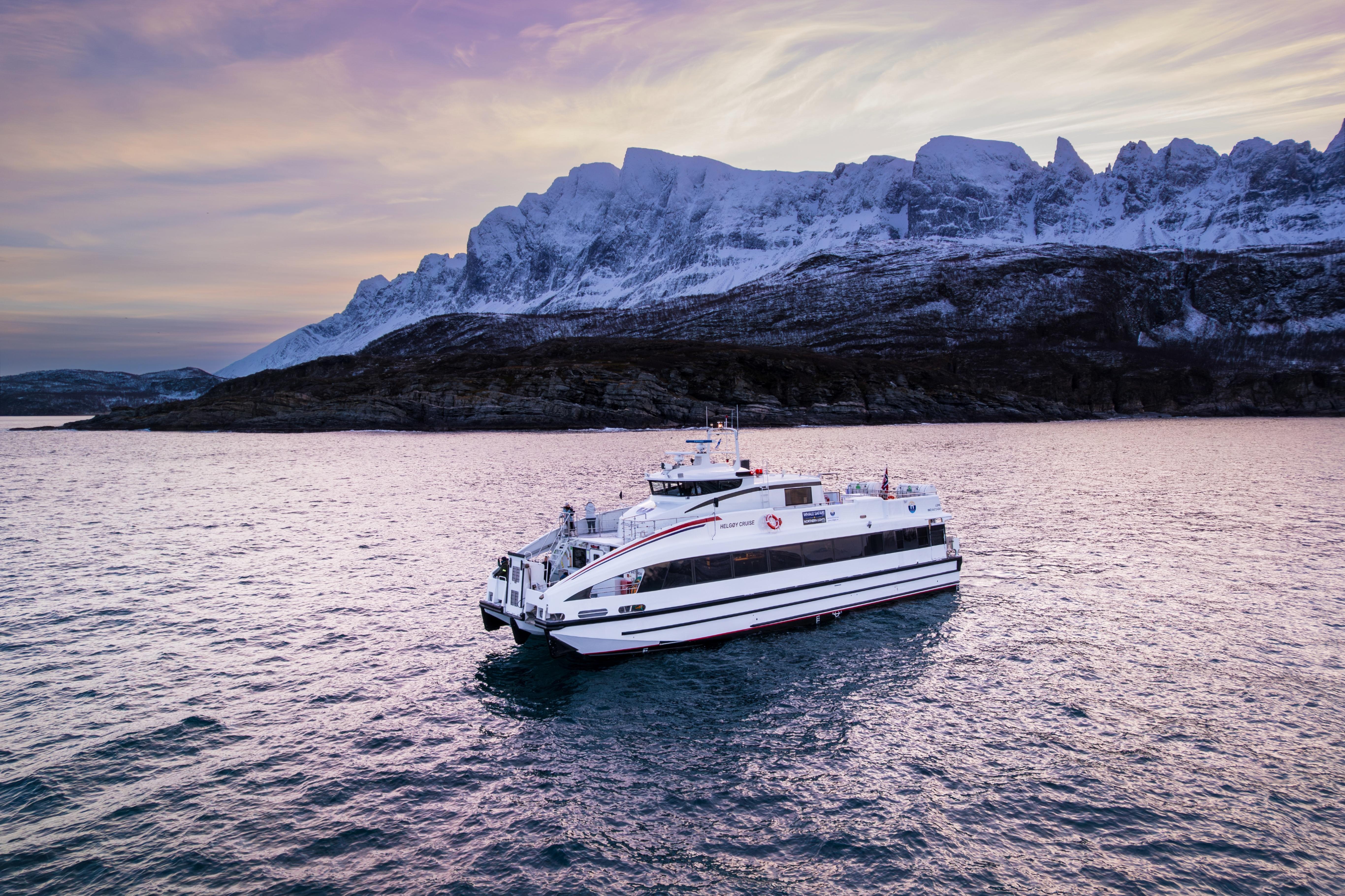
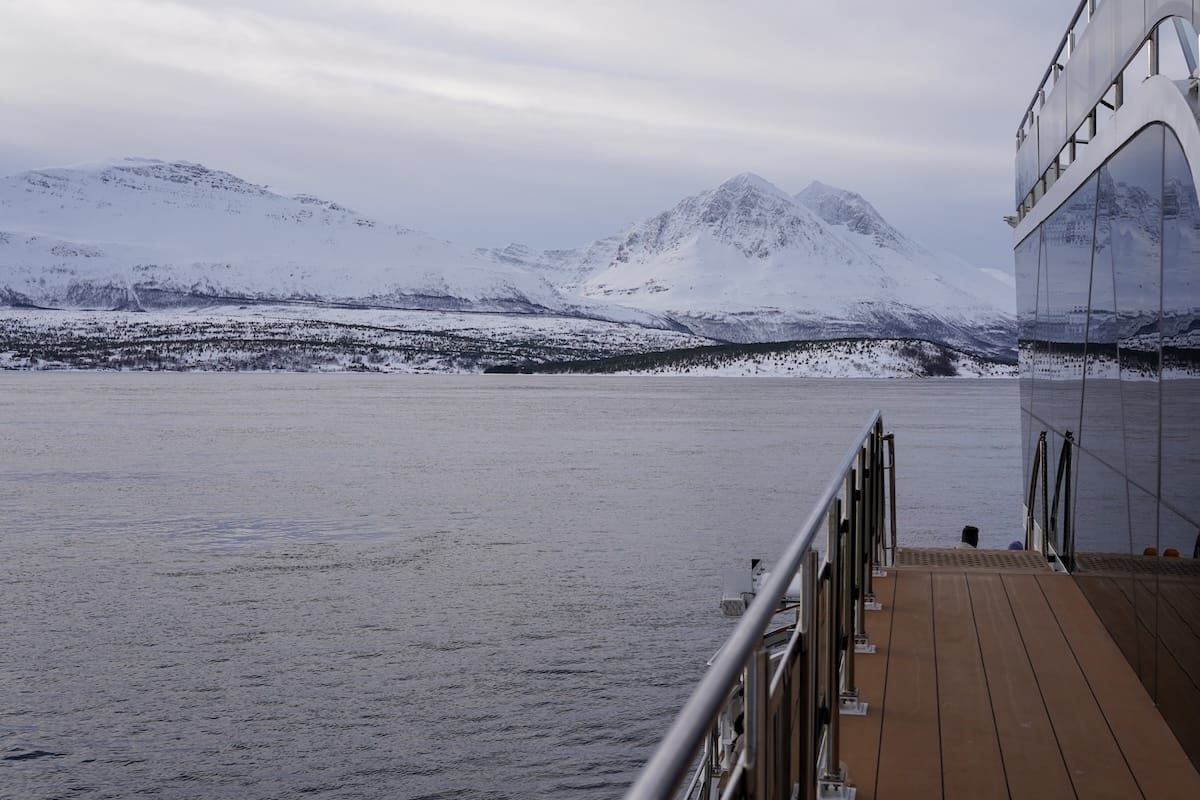
Environmentally friendly electric engine minimizes noise to avoid disturbing marine life.
Floor-to-ceiling glass offers unobstructed views of the Arctic scenery.
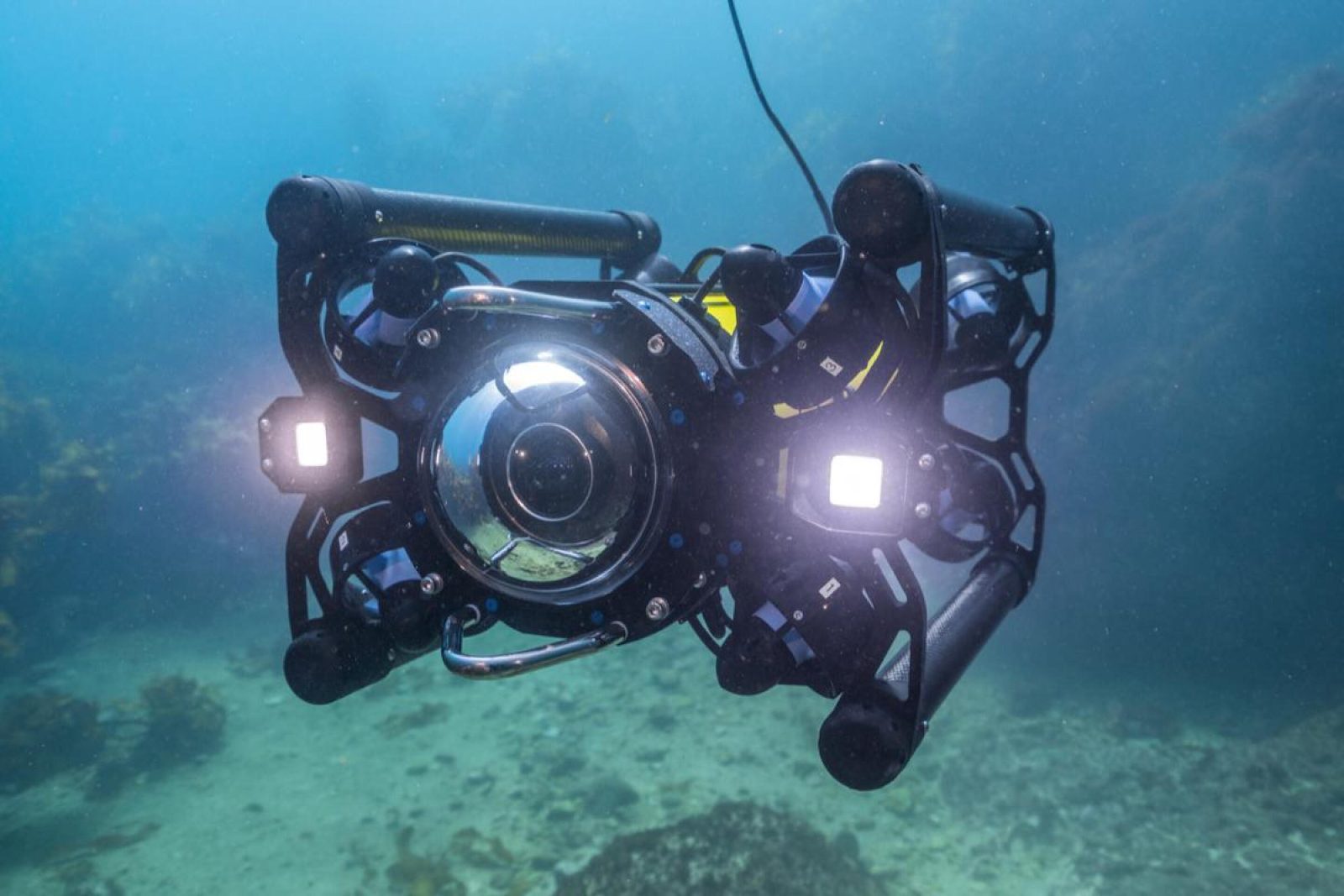
Technology used to stream live footage of whales swimming beneath the boat.
Educational presentation about local whale behavior and conservation efforts.
Spacious outdoor area designed for optimal wildlife photography opportunities.
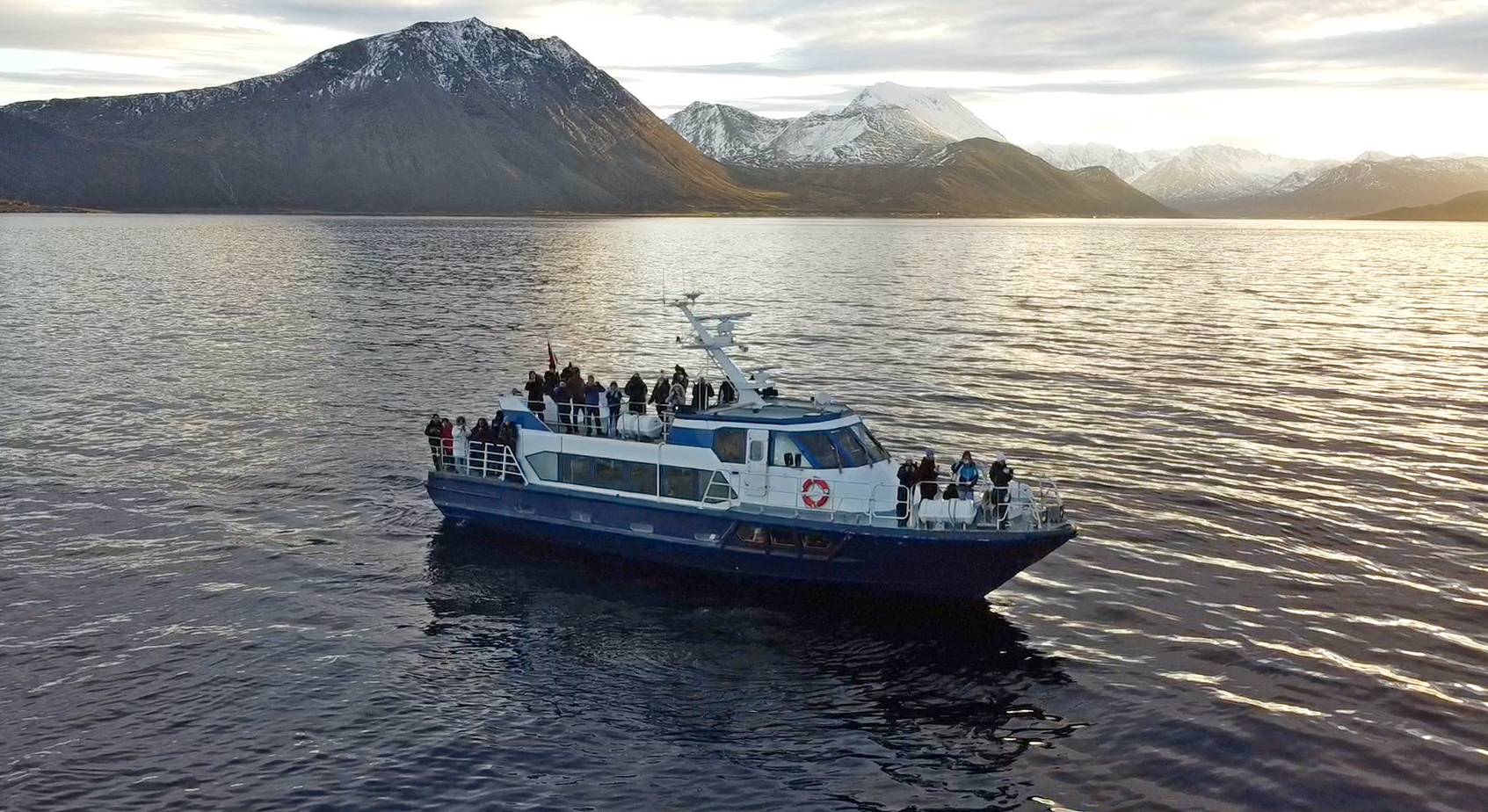
You board at Samuel Arnesens gate as dawn breaks over Tromsø Sound, the hybrid catamaran's heated observation deck already lined with thermal binoculars.
The captain briefs you on whale behavior during the forty-minute transit toward Skjervøy: humpbacks exhale a columnar blow visible for miles, orcas travel in coordinated pods that surface in synchronized arcs.
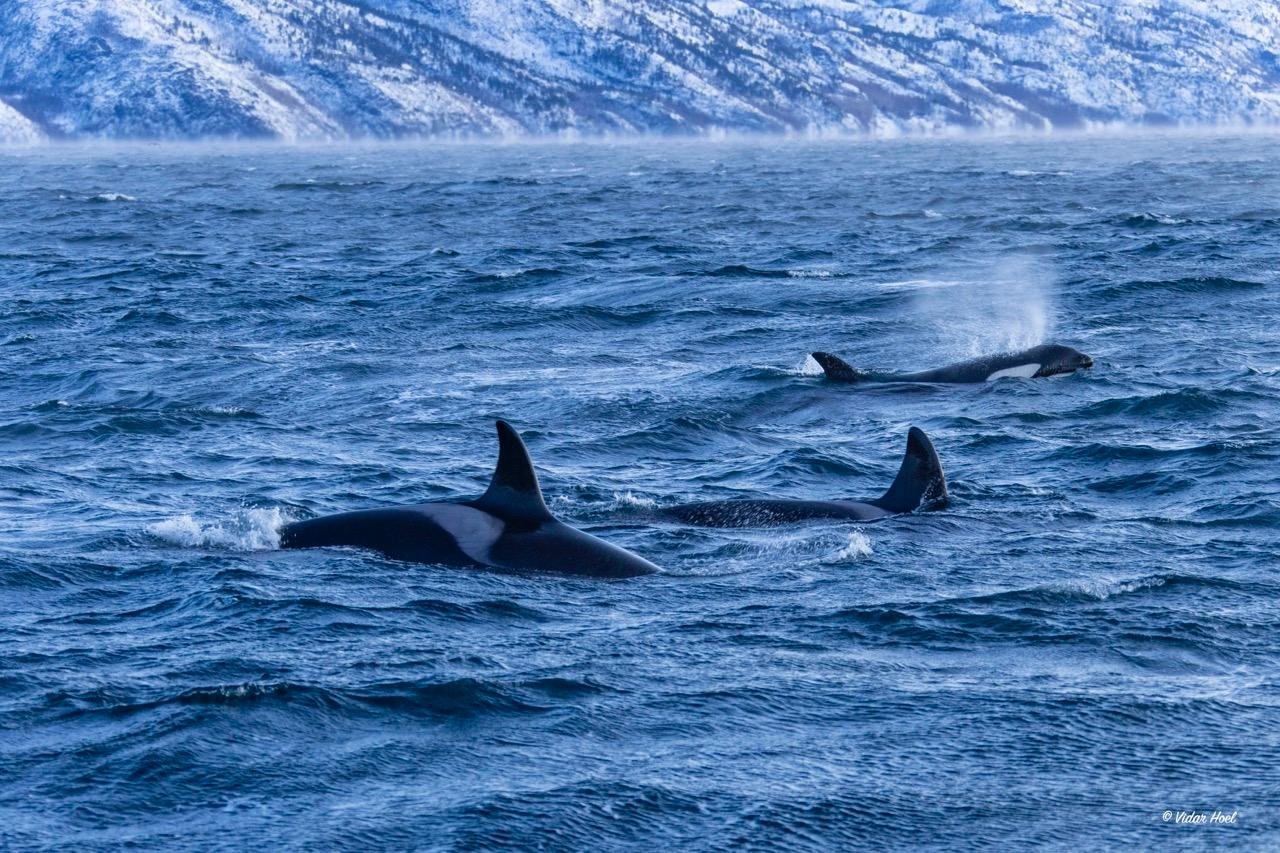
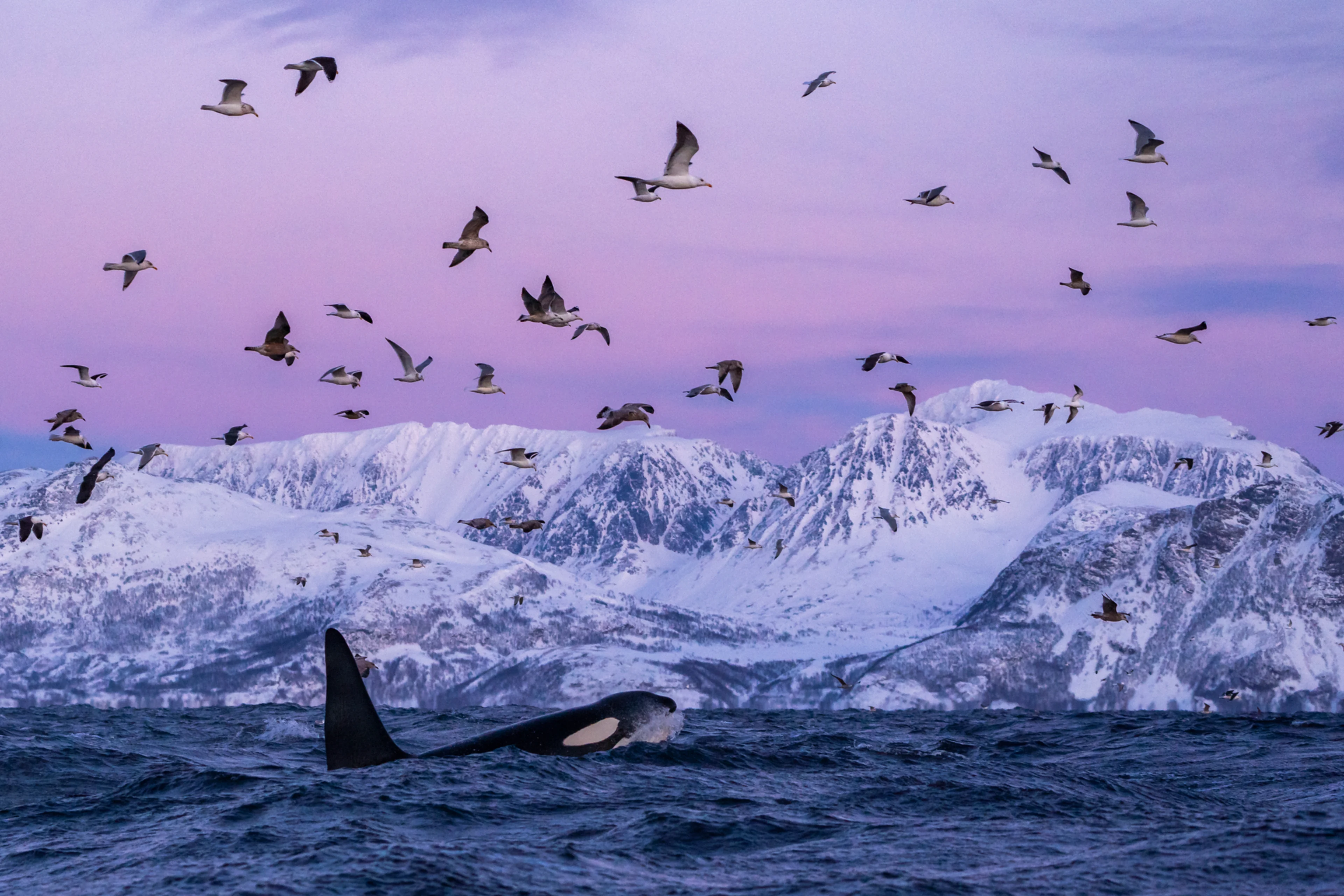
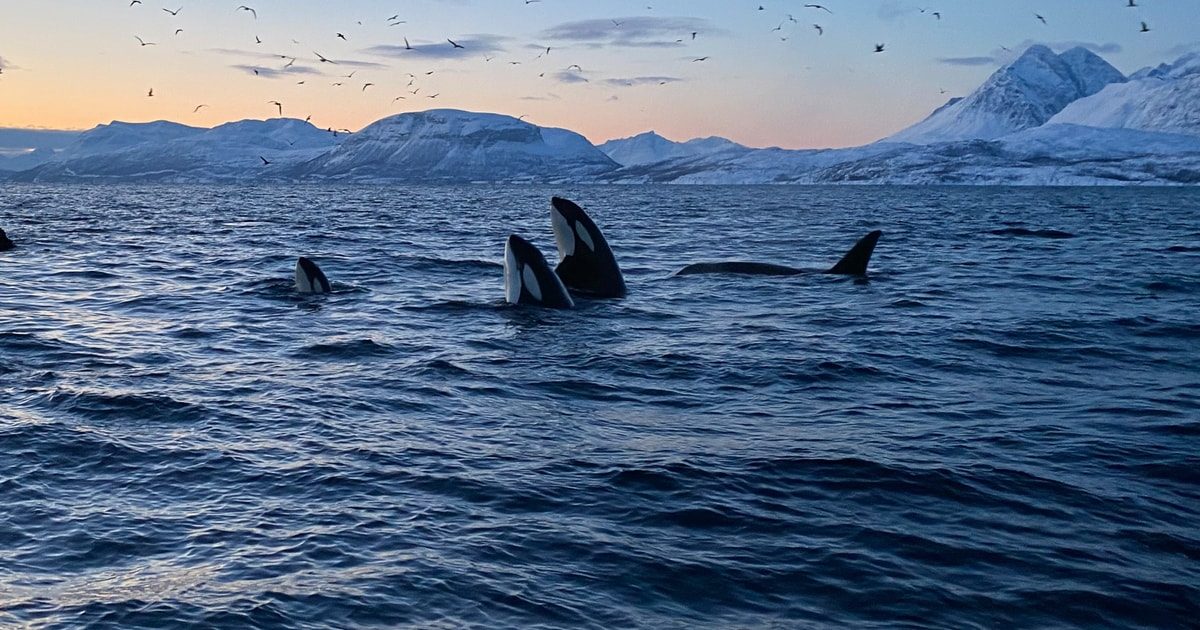
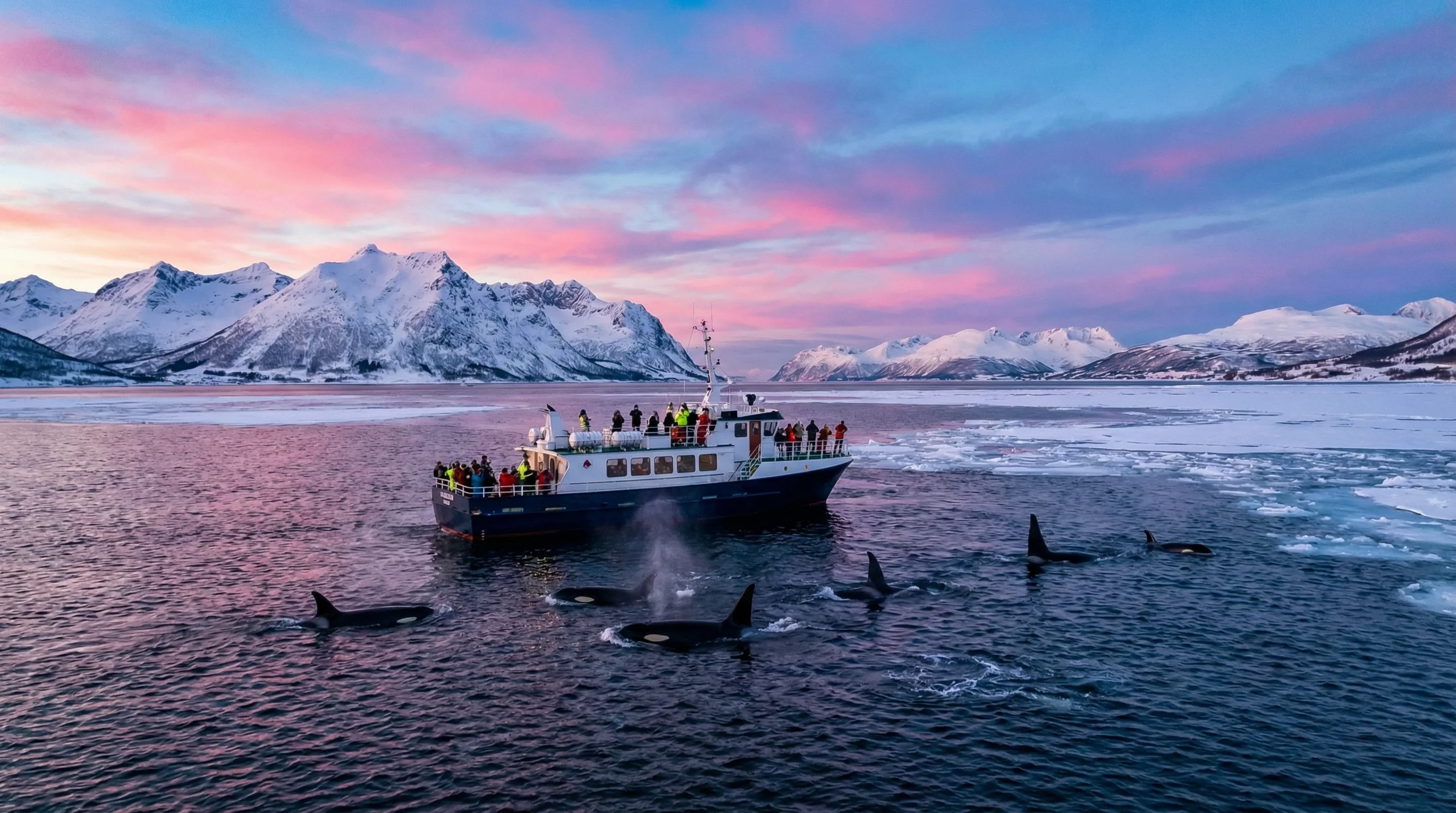
The hydrophone picks up clicks before you sight anything—a pod of orcas working herring into a bait ball three hundred meters off the port bow. You watch through deck-mounted scopes as the matriarch tail-slaps to stun fish, younger females circling beneath to feed. The crew cuts engines. For twenty minutes you drift in silence, the only sounds the whales' blows and the creak of pack ice drifting south from Svalbard.
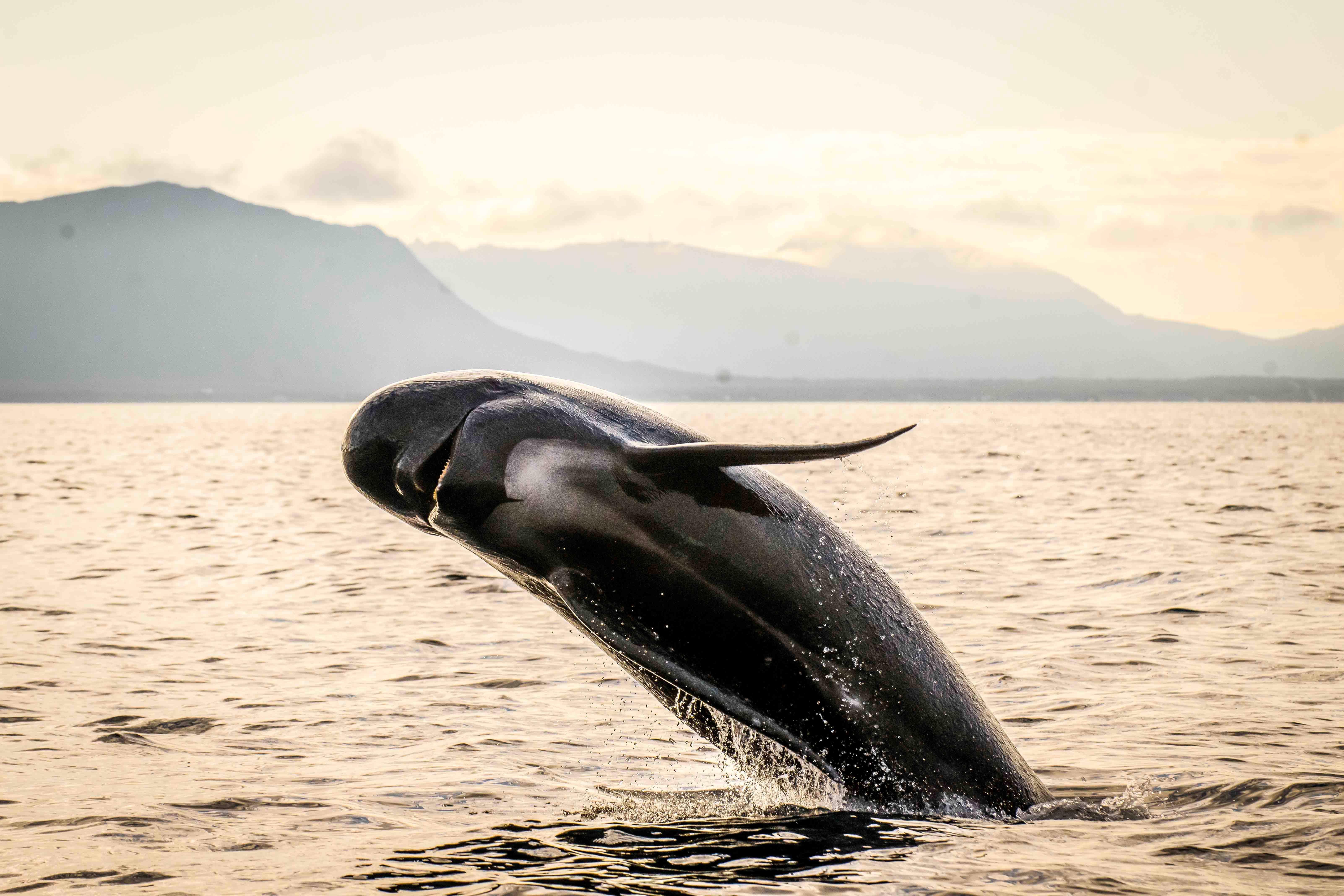
A humpback surfaces seventy meters astern, its barnacle-encrusted jaw breaking the waterline as it lunges through a herring school. You photograph the distinctive notches along its fluke—each whale carries a unique pattern, cataloged by researchers across decades. The naturalist onboard identifies this individual from a 2019 sighting near Andenes. Before the return transit, you pour coffee in the salon while the captain plots coordinates for tomorrow's expedition, already tracking a reported fin whale near Arnøya.
All the details about your upcoming adventure in one place
Humpback whales migrate into Norwegian waters between October and February, following herring shoals that funnel through the narrow straits west of Tromsø.
The continental shelf drops steeply here—from shallow coastal banks to abyssal depths within a few nautical miles—creating nutrient upwellings that sustain one of Europe's densest concentrations of marine mammals. Orcas, fin whales, and pilot whales patrol these same feeding grounds, their seasonal movements tracked by the Norwegian Orca Survey since 1987.
Norway whale watching packages depart from Tromsø's harbor district along Samuel Arnesens gate, where operators maintain a fleet of specialized vessels designed for sub-Arctic conditions. Hybrid-electric catamarans reduce underwater noise pollution, allowing closer approaches without disturbing cetacean behavior. High-speed RIB craft reach the outer Skjervøy archipelago in under ninety minutes, accessing waters where sperm whales dive to depths exceeding one thousand meters. Each expedition operates under strict Norwegian Maritime Authority protocols: engines must idle within three hundred meters of any whale, and pursuit is prohibited once an animal sounds.
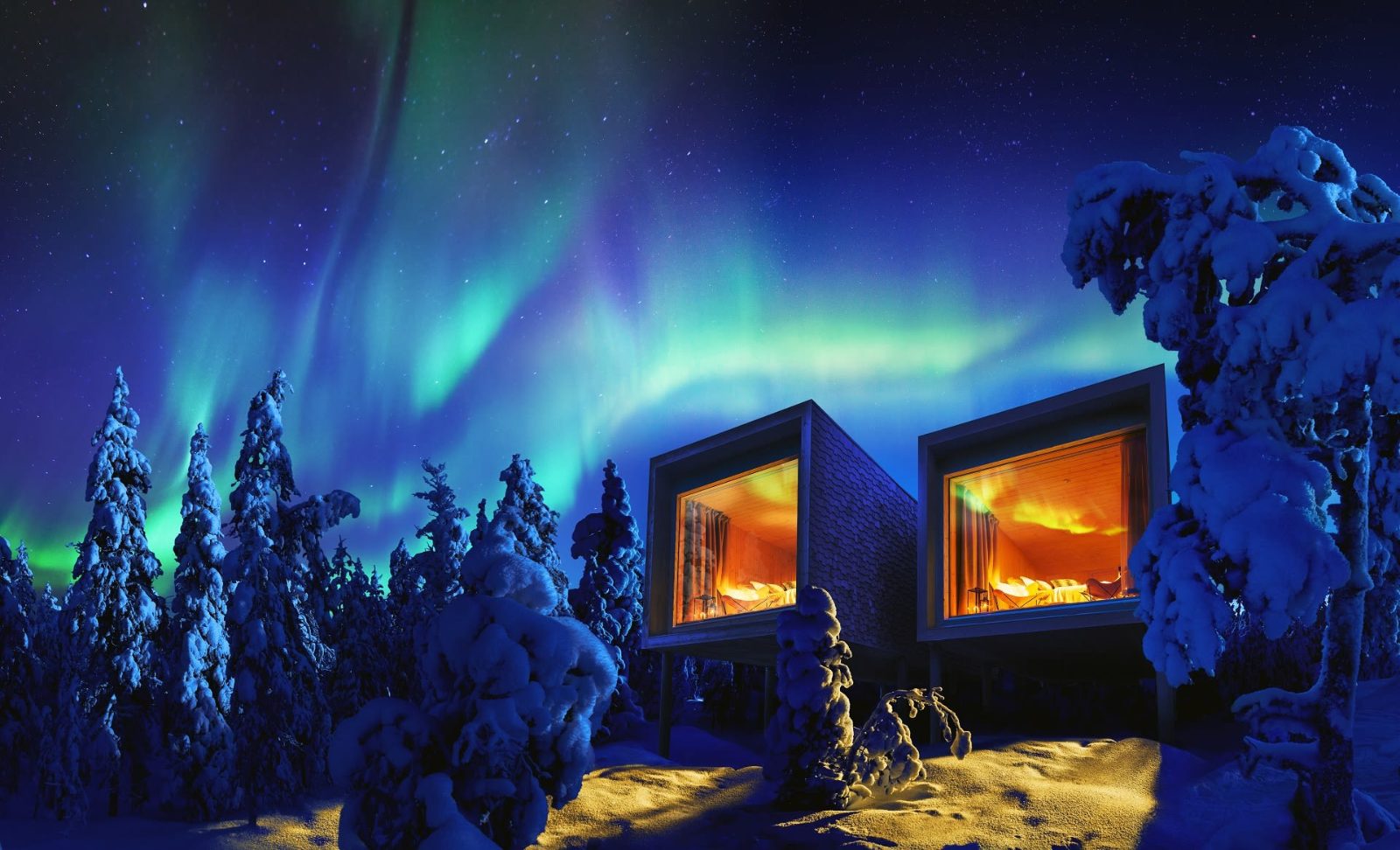
The Arctic marine ecosystem here supports more than cetaceans. White-tailed eagles nest along coastal cliffs, diving to snatch fish driven to the surface by hunting orcas. Harbor porpoises and grey seals appear in sheltered bays. During polar night—late November through mid-January—the aurora borealis frequently arcs overhead while whales feed in twilight conditions, their blows illuminated by onboard searchlights and the diffuse glow of distant Tromsø.
Tromsø's position at 69° north places it within the largest herring wintering grounds in the North Atlantic, a biological phenomenon that has anchored Norway's fishing economy for centuries and now underpins its marine tourism sector. Modern whale watching tours here combine thermal imaging, hydrophone arrays, and real-time spotter networks to locate feeding aggregations, often within sight of snow-covered peaks that rise directly from the sea. The operational window aligns with the herring run: most vessels suspend service by late March, when whales disperse toward Icelandic and Greenlandic summer grounds.
The continental shelf drops steeply here—from shallow coastal banks to abyssal depths within a few nautical miles—creating nutrient upwellings that sustain one of Europe's densest concentrations of marine mammals.
Arctic conditions require thermal layers, windproof jackets, and waterproof boots. Dressing in layers is essential for your norway whale watching packages excursion.
Small daypacks are permitted on board, but large luggage should be stored at your accommodation. All items are subject to crew inspection for safety.
Photography is encouraged during your norway whale watching packages tour. Use a fast shutter speed to capture marine life in motion.
Children are welcome on board, but must be supervised by an adult at all times. Life jackets are provided for all young passengers.
Vessels vary in accessibility features. Please contact the operator directly before purchasing norway whale watching packages tickets to confirm requirements.
Complimentary tea and coffee are often available. Guests should bring their own snacks for the duration of the trip.
Opening Hours
07:30–16:30
Address
Samuel Arnesens gate 5, 9008 Tromsø, Norway
Accessibility
Varies by vessel; contact Brim Explorer for details
Arrival
07:30–08:30
Storage
Limited availability on site
Navigation
Use public transport to Samuel Arnesens gate
Walk · 5 min · Free
The office is located in the Tromsø city center.
Taxi · 10 min · Variable
Available throughout the city to the harbor area.
Brim Explorer typically provides full refunds if cancellations are made within their specified advance window. As this is a tour-based activity, the entrance fee is 0 NOK.
Recommended time
Full day
Most norway whale watching packages require a significant time commitment, as expeditions rely on daylight hours and the travel distance to reach marine mammal habitats. Guests should arrive at Samuel Arnesens gate 5 during the recommended window to ensure a prompt departure for these Tromsø whale watching tours. While these norway whale watching packages tours operate on a fixed schedule, visitors should allocate the entire day to account for potential weather variations that impact sea transit. Securing norway whale watching packages tickets early is essential, as the capacity on these vessels is strictly limited to ensure an intimate experience with the fjords.
Crowd levels through the day
Weather · crowds · average price — dots go green to amber to red as each metric rises.
September offers moderate temperatures and shorter daylight hours. This is an ideal time for seeing whales before the deep winter freeze.
Reserve your norway whale watching packages in advance to secure space during peak migration.
Monitor local forecasts, as high winds may force departures to cancel.
The temperature at sea is colder than on land, even in early autumn.
Bring a water bottle to keep hydrated during long hours on deck.
Maintain silence to avoid disturbing the whales during your norway whale watching packages tour.
Samuel Arnesens gate 5, 9008 Tromsø
Main base for norway whale watching packages departure.
Get directionsCommercial whale watching emerged in Norway during the late 1980s, decades after the nation ceased industrial whaling operations in 1968. Tromsø pioneered the shift in 1988 when local fishing vessels began offering winter excursions to observe migrating herring and the orcas that followed them into fjords. Early operators worked without formal safety protocols or marine biology expertise. The Norwegian Directorate of Fisheries introduced licensing requirements in 1995 after several boats approached pods too aggressively, risking collisions and disturbing feeding behavior. Northern Norway's geography created ideal conditions for year-round sightings. Humpback whales began appearing in Skjervøy waters during the 2010s as herring migration patterns shifted northward, likely driven by warming sea temperatures. Scientists from the Norwegian Polar Institute documented this behavioral change through satellite tagging programs. Tour operators adapted routes accordingly, extending voyages into deeper Arctic waters. The transition required larger vessels with heated cabins and stabilization systems capable of handling winter swells exceeding four meters. The industry faced its most significant challenge in March 2019 when a tour boat struck a humpback whale near Kvaløya island, injuring the animal and prompting temporary route closures. Regulatory reforms followed swiftly. The Ministry of Climate and Environment mandated 200-meter minimum approach distances and required all captains to complete marine mammal behavior certification by 2021. These measures reduced disturbance incidents by 73 percent within two years, according to ministry records. Modern norway whale watching packages now integrate real-time tracking data from research institutions, allowing operators to locate whale concentrations without prolonged searching. Hybrid-electric catamarans entered service in 2024, cutting engine noise that interferes with cetacean echolocation. The Arctic Cathedral waterfront in Tromsø remains the primary departure point for norway whale watching packages tours, serving over 85,000 passengers annually as of 2026.
Norway ends commercial whaling after international pressure and declining whale populations.
Tromsø fishing boats offer first tourist whale-watching trips targeting orca pods following herring runs.
Directorate of Fisheries introduces licensing and distance rules after vessels harass feeding whales.
Humpback whales shift migration routes northward into Skjervøy waters as herring stocks relocate.
Boat collision with humpback near Kvaløya triggers stricter regulations and mandatory captain certifications.
All operators required to maintain 200-meter approach distance and use marine mammal behavior protocols.
Hybrid-electric catamarans debut in Tromsø fleet, reducing underwater noise pollution by 60 percent.
Stand on the forward outer deck for clear views of the fjord and marine mammals. This open area provides a stable platform for telephoto lenses as you move through northern waters as part of your norway whale watching packages.
Exploring the Arctic marine life with children requires careful planning when choosing from various norway whale watching packages. Selecting the right vessel ensures your family stays comfortable while searching for marine mammals in their natural habitat.
Large catamarans are generally preferred for families over RIB boats because they offer indoor heated cabins and restroom access, which are vital for long hours at sea.
Most operators suggest these norway whale watching packages tours for children aged six and older due to the extended time spent on the water and varying sea conditions.
Choose a norway whale watching packages tour that provides high-quality thermal suits for all sizes, as this keeps younger passengers warm and secure on deck.
Parents should prepare for a full-day commitment, so prioritize norway whale watching packages tickets on stable, larger vessels that allow children to move around safely.
The departure point at Samuel Arnesens gate 5 is accessible, but please note that the nature of boat boarding may require navigating small gangways.
Visitors seeking norway whale watching packages near Samuel Arnesens gate 5 will find several harborside options within a short walk. While the site itself has no dining facilities, the nearby city center offers convenient spots to grab a quick meal before your marine mammal excursion.
Known for locally sourced ingredients and a cozy atmosphere perfect for a post-tour lunch. Reservations are recommended during the autumn season.
A relaxed spot serving coffee, fresh pastries, and light soups. It is an excellent choice for a quick morning bite before boarding your norway whale watching packages tours.
Located right by the water, this venue specializes in fresh catches from the Arctic. It serves as an upscale option for those booking their norway whale watching packages tickets and wanting a refined dining experience.
Everything you need to know for your journey
The facility is open daily from 07:30–16:30.
There is 0 NOK entrance fee as this is a tour-based activity.
The departure point is at Samuel Arnesens gate 5, 9008 Tromsø.
Yes, visit the official site at https://brimexplorer.com for booking.
The best arrival window is 07:30–08:30 to ensure prompt departure.
Yes, children are allowed, though adult supervision is required.
Bring warm clothing, a camera, and waterproof gear for your norway whale watching packages experience.
Accessibility is limited; contact the operator to discuss specific requirements for your norway whale watching packages tickets.
If a trip is cancelled due to weather, you will be eligible for a refund or rescheduling options.
Arctic aquarium showcasing local marine life.
Iconic landmark known for its triangular design.
Cable car offering views over the city and sea.
Central street with shops and historic architecture.
Modern hotel near the harbor.
Convenient access to the departure point.
Numerous guesthouses within walking distance.
Join thousands of happy travelers who have discovered this incredible experience
Book Your Experience Now