
Quick answer
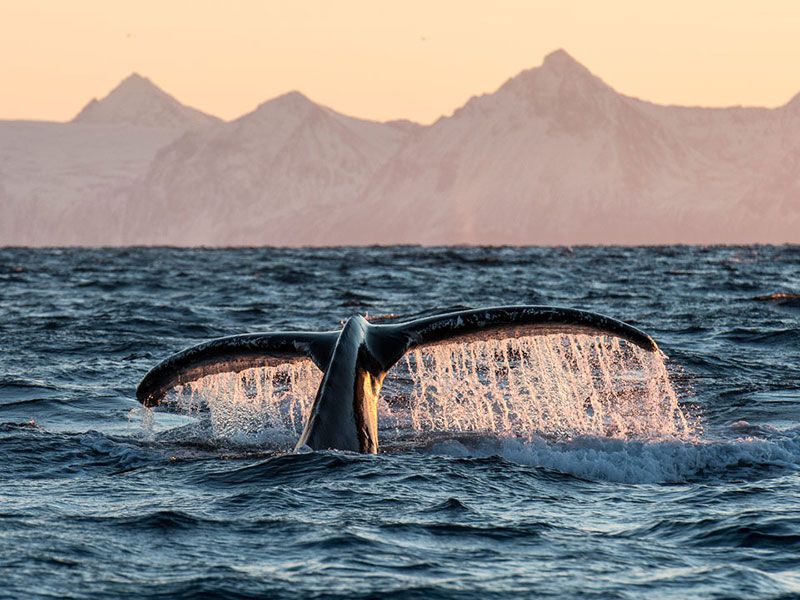
Where to see whales in Norway: Andenes in Vesterålen and Tromsø in Troms offer the most consistent sightings. Andenes provides year-round access to sperm whales along the continental shelf, while Tromsø's fjords attract orcas and humpbacks during the herring migration from November through January. Both locations operate daily whale safaris with experienced marine biologists aboard.
The continental shelf drops to over 1,000 meters just three kilometers off Andenes, creating one of the world's deepest underwater canyons so close to shore. This geological formation draws sperm whales to hunt squid in the abyss year-round, making Vesterålen the only place in Europe with permanent sperm whale populations. Norway whale watching centers on two distinct ecosystems. The Andenes hub operates from Hamnegata 1C, 8480 Andenes, Norway, with daily departures between 09:00 and 11:00 throughout the year. The visitor center opens at 08:00 daily for tour check-in and marine education exhibits at no entrance fee. Winter months from November through January shift focus to Tromsø, where the herring spawning season pulls orcas and humpbacks into the fjords. The Arctic location means November through January sees limited daylight, but whale activity peaks during these months regardless of sun position. Beyond sperm whales and orcas, Norwegian waters host fin whales, minke whales, pilot whales, and white-beaked dolphins depending on season and currents. Tour operators in both regions maintain contact with research institutions to track whale movements daily. Most safaris run three to four hours on ice-class vessels equipped with hydrophones to locate whale vocalizations underwater. The success rate for sperm whale sightings from Andenes exceeds 90 percent year-round due to the resident population. Booking considerations differ by season. Summer departures from June through August offer midnight sun conditions with 24-hour daylight, while winter tours operate in twilight or darkness with aurora borealis as backdrop. Sea conditions in the Norwegian Sea demand warm layering and waterproof outerwear regardless of month. Tours depart from Andenes harbor adjacent to the visitor center, where real-time marine charts track recent sightings. The phone line +4776115600 connects to the safari booking desk during operating hours, though advance online reservations through whalesafari.no secure preferred departure times during peak summer and winter seasons.
“The continental shelf drops to over 1,000 meters just three kilometers off Andenes, creating one of the world's deepest underwater canyons so close to shore.”
Logistics for Where to See Whales in Norway: Getting to Andenes
The whale watching facility is located in Andenes on the island of Andøya, situated in the Vesterålen archipelago. Reaching this remote coastal town typically involves a combination of regional air travel or driving via scenic national tourist routes.
Follow Fv82 or E10 to Andøya
Bus route 300 from Sortland
Ferry from Gryllefjord to Andenes (seasonal)
Visitor Center Opening Hours Where to See Whales in Norway
The visitor center maintains consistent operating hours throughout the week to assist with tour inquiries and information. We are open daily.
| Monday | 08:00–21:00 | |
|---|---|---|
| Tuesday | 08:00–21:00 | |
| Wednesday | 08:00–21:00 | |
| Thursday | 08:00–21:00 | |
| Friday | 08:00–21:00 | |
| Saturday | 08:00–21:00 | |
| Sunday | 08:00–21:00 |
Entrance Fees for Where to See Whales in Norway
Access to the visitor center is provided at no cost, allowing guests to explore the facility freely. Please note that whale safari tours are independent of center entry and require separate tickets.
Admission to the visitor center is 0 NOK, while the total cost for your visit depends on the specific whale safari tour selected.
Pre-Visit Checklist Where to See Whales in Norway
Prepare these items before your whale safari departure from Andenes.
-
Book your whale safari tour online — Tours operate daily and availability varies by season.
-
Pack warm, waterproof layers — North Norwegian waters are cold year-round, even in summer.
-
Bring motion sickness medication if prone — Multi-hour boat trips can be rough in open ocean conditions.
-
Wear non-slip, closed-toe footwear — Wet decks require stable footing during whale observation.
-
Carry valid photo ID or passport — Required for tour check-in and passenger registration.
-
Charge camera batteries and clear storage — Whale encounters happen quickly and memory fills fast.
-
Apply sunscreen before departure — Reflection off water intensifies UV exposure at sea.
Other Landmarks Near Where to See Whales in Norway
Extend your stay in Andenes by visiting locations that highlight the maritime history and natural landscape of the Vesterålen archipelago. These sites provide context to the coastal environment that supports the local whale populations.
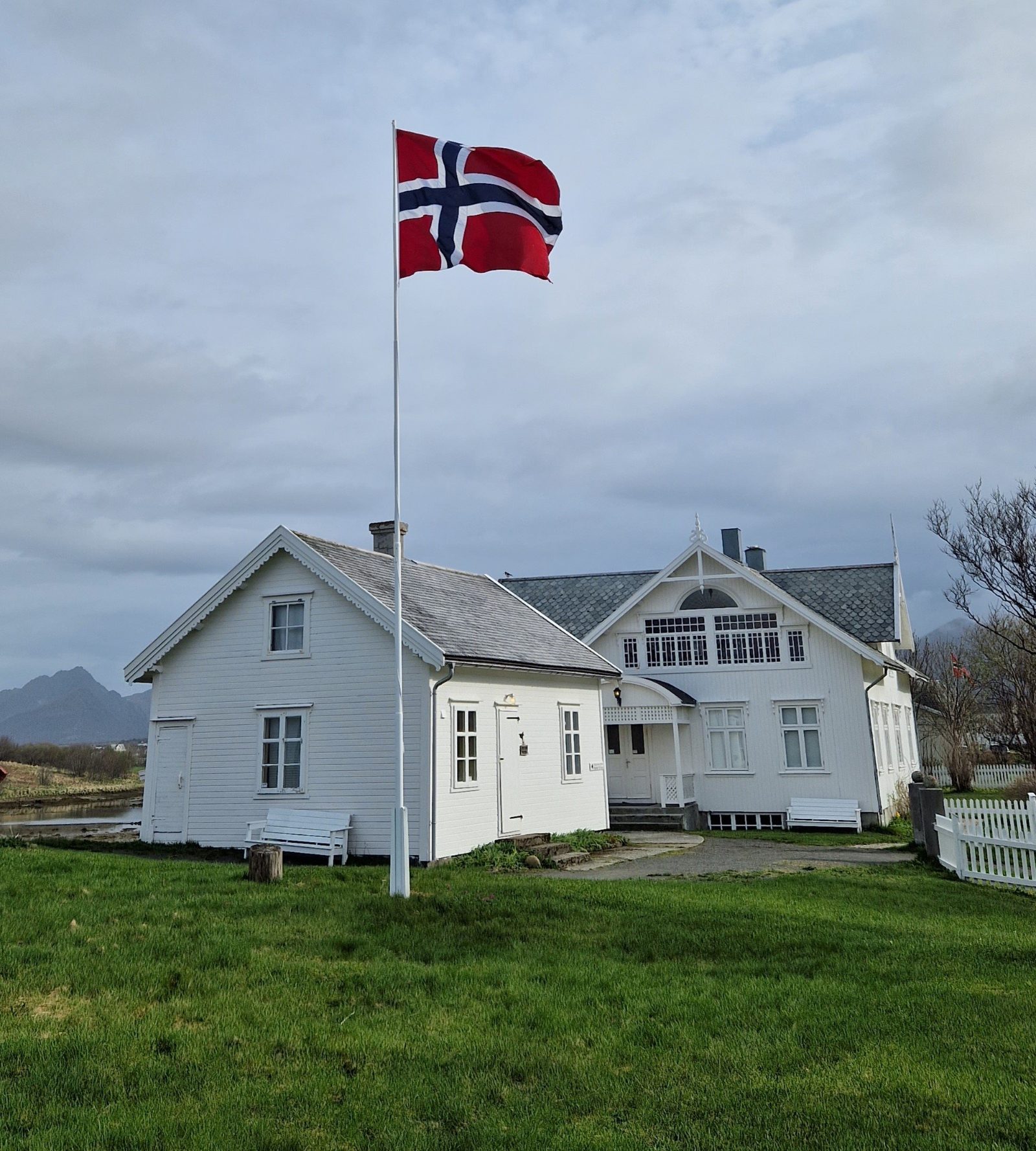
Andøy Museum
This museum details the history of local fisheries and the evolution of the town, offering deeper insight into the community's relationship with the sea.
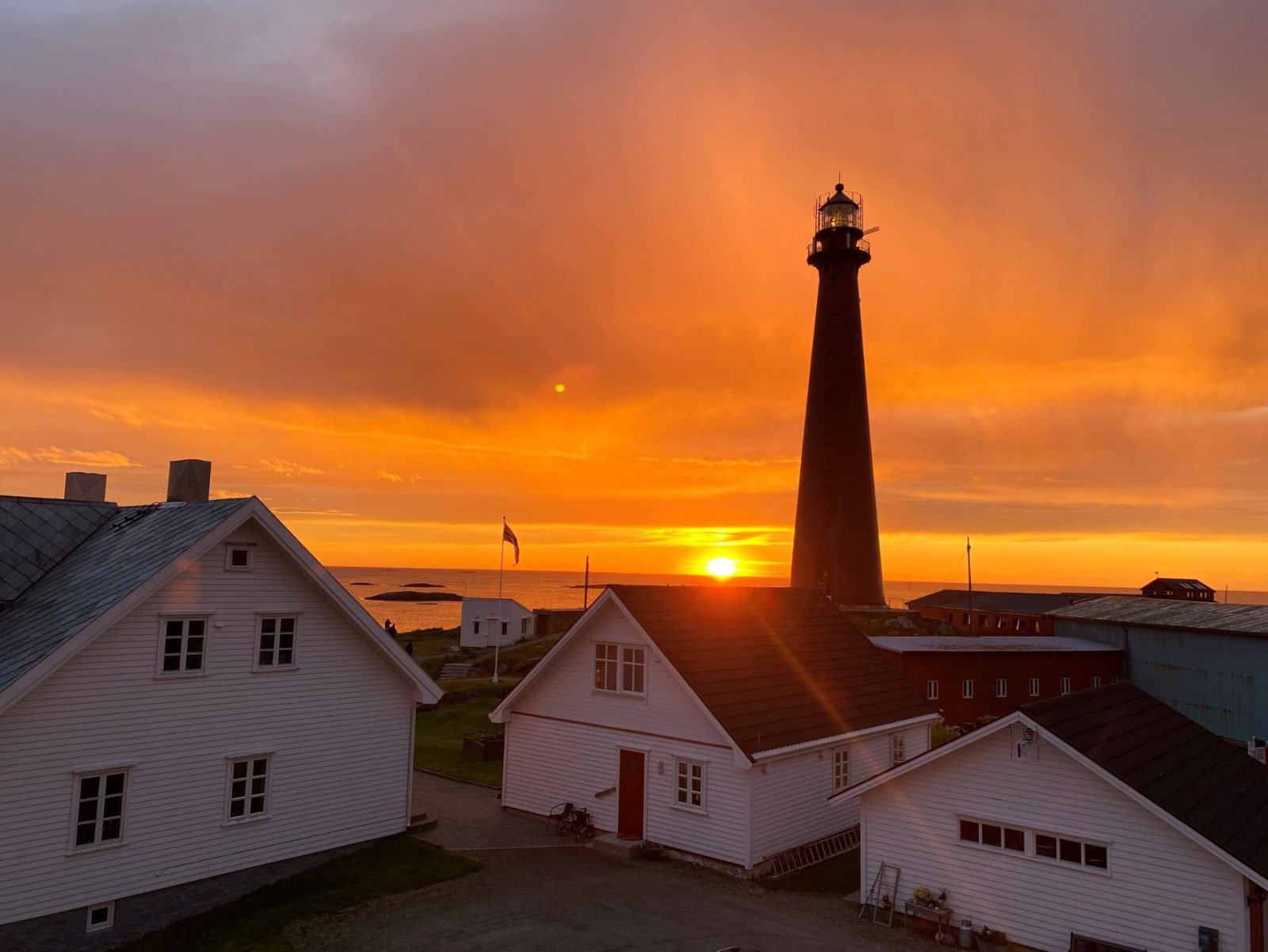
Andenes Lighthouse
Constructed in 1867, this landmark offers panoramic views of the coastline and the surrounding sea where whale tours operate.
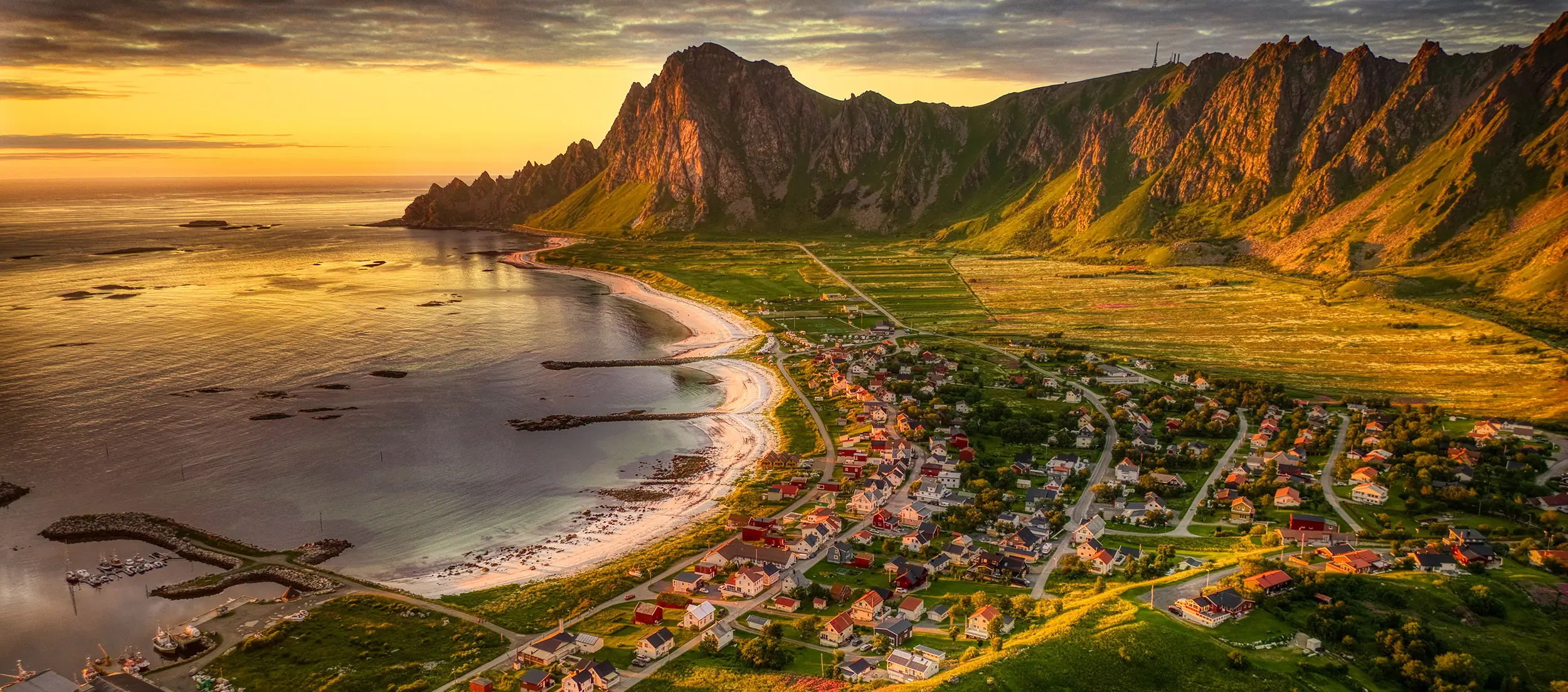
Bleik Village
Located on the western side of the island, this traditional fishing village is situated near the bird sanctuary of Bleiksøya, which hosts large populations of puffins.
Check availability
Frequently asked questions about where to see whales in norway
Everything you need to know about where to see whales in norway