

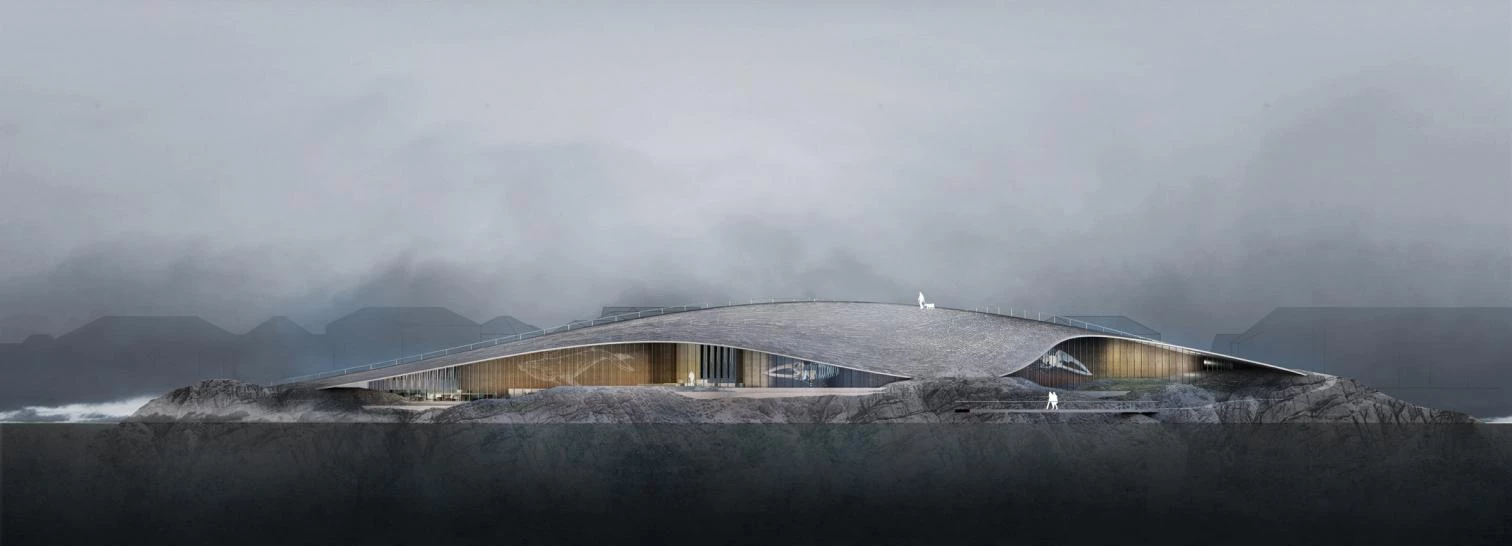
Quick answer
The norway whale watching museum in Andenes is open daily from 08:00 to 21:00 with free admission to the visitor area. The center serves dual functions: a public exhibition space exploring cetacean biology and Arctic marine ecosystems, and the check-in facility for scheduled whale safaris departing from the harbor adjacent to the building. Arriving between 09:00 and 11:00 ensures you avoid mid-day crowds and aligns with peak departure windows for boat tours.
The Whale Center sits at the northern tip of Andøya island, where the continental shelf drops into the Bleik Canyon—a 700-meter-deep trench that funnels nutrient-rich currents and makes Andenes one of Europe's most reliable sperm whale habitats. The building's dual mandate shapes everything about a visit: it functions as a walk-in museum with no ticket barrier, and as the operational nerve center for the region's whale safari fleet. Free entry to the norway whale watching museum grants access to permanent exhibits on cetacean anatomy, echolocation mechanics, and the seasonal migration patterns that bring sperm whales, orcas, humpbacks, and pilot whales into Vesterålen waters between May and September. Skeletal displays, hydrophone listening stations, and real-time sighting maps anchor the collection. The center does not charge for this access because it derives revenue from safari bookings rather than gate fees—a model that treats the exhibition space as both public education and pre-trip briefing. Visitors planning to join a whale safari check in at the same facility, typically 30 to 45 minutes before departure. The building's extended hours accommodate early-morning and evening sailings, with most boats leaving the adjacent harbor between 10:00 and 14:00 depending on tide and weather. Staff at the center coordinate logistics, issue flotation suits, and deliver mandatory safety briefings in the assembly hall before groups board. The Andenes whale watching museum model diverges from conventional natural history institutions by embedding itself in active fieldwork. Sighting data collected by safari guides feeds directly into the center's research partnership with the Norwegian Orca Survey, and the exhibition content reflects ongoing studies rather than static archive material. The facility's location at Hamnegata 1C places it 150 meters from the harbor and within walking distance of Andenes' compact town center, making it the default first stop for anyone arriving by car or bus to explore the region's marine wildlife offerings.
“The continental shelf drops into a 700-meter trench that funnels the currents sperm whales follow—making Andenes one of Europe's most reliable cetacean habitats.”
Opening Hours for the Norway Whale Watching Museum
The Norway Whale Watching Museum visitor area is open daily to accommodate guests interested in whale research and history.
| Monday | 08:00–21:00 | |
|---|---|---|
| Tuesday | 08:00–21:00 | |
| Wednesday | 08:00–21:00 | |
| Thursday | 08:00–21:00 | |
| Friday | 08:00–21:00 | |
| Saturday | 08:00–21:00 | |
| Sunday | 08:00–21:00 |
Best Time to Visit the Norway Whale Watching Museum
The best arrival window is 09:00–11:00, which allows visitors to avoid mid-day crowds while ensuring sufficient time for check-in procedures before scheduled whale safari departures.
Summer Season (June–August)
High visitor volumeMild, 10°C to 15°C
Peak activity periods often coincide with high safari demand.
Autumn (September–October)
Moderate visitor volumeCool, 5°C to 10°C
Lower attendance provides a quieter experience for museum exhibits.
Weekday mornings
Minimal congestion—
Arriving early optimizes access before afternoon safari tours depart.
Verdict: Weekday mornings between 09:00 and 11:00 during the shoulder months of September and October offer the most consistent access to exhibits.
Getting to the Norway Whale Watching Museum in Andenes
The Norway Whale Watching Museum is located at Hamnegata 1C, 8480 Andenes, Norway. It is situated on the northern tip of Andøya island, accessible via road or regional transport connections.
Follow Fv82 to Andenes and proceed to the harbor area
Bus 300 from Sortland to Andenes bus station
Walk from Andenes bus station toward the harbor
Exhibits and Features at the Norway Whale Watching Museum
The visitor area at the Whale Center in Andenes provides insights into the biology and conservation of whales found in the surrounding Arctic waters. Exhibits detail the migration patterns and behavioral characteristics of these marine mammals.
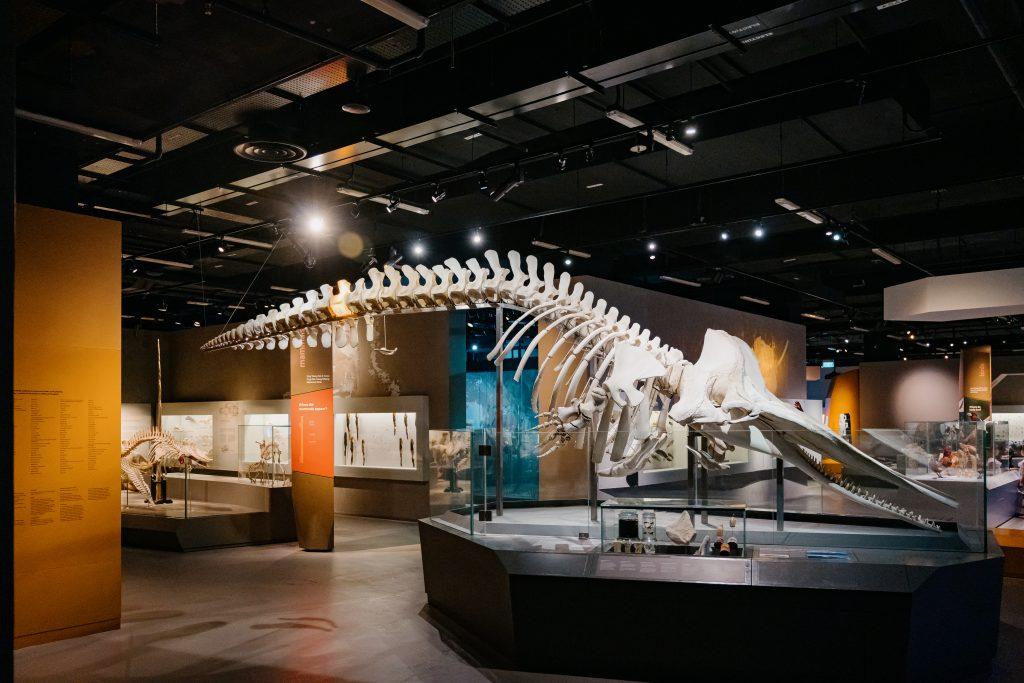
Sperm Whale Skeleton
The central exhibit features a full-scale sperm whale skeleton suspended in the main hall. It provides a clear perspective on the physical dimensions of these deep-diving mammals.
View from the mezzanine level to observe the full spinal structure.
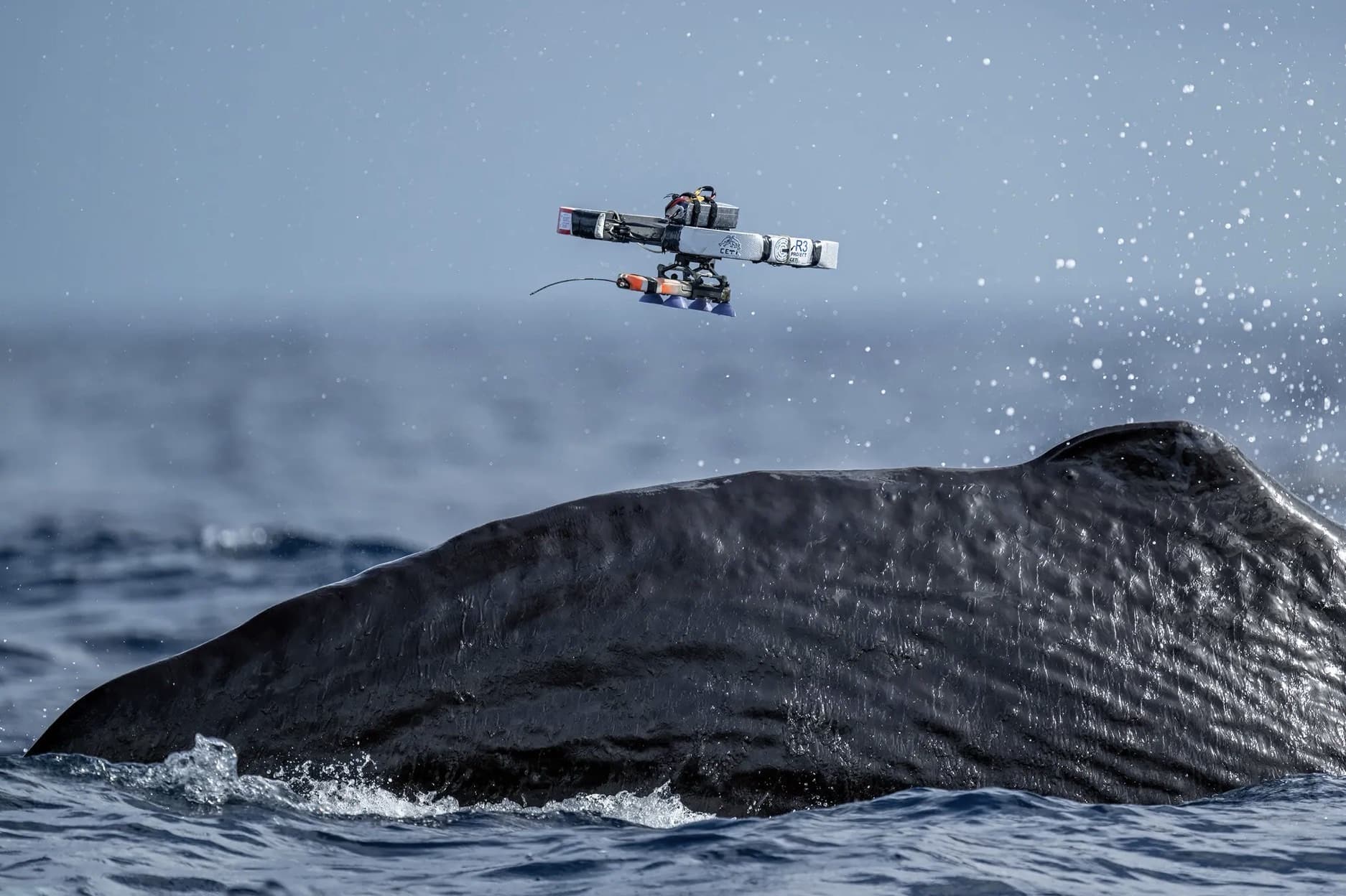
Marine Biology Laboratory
This area showcases scientific research tools and equipment used by biologists to track and study whales in the wild. Visitors can review data collection methods used during regional whale studies.
Examine the research displays to understand how scientists monitor whale populations.
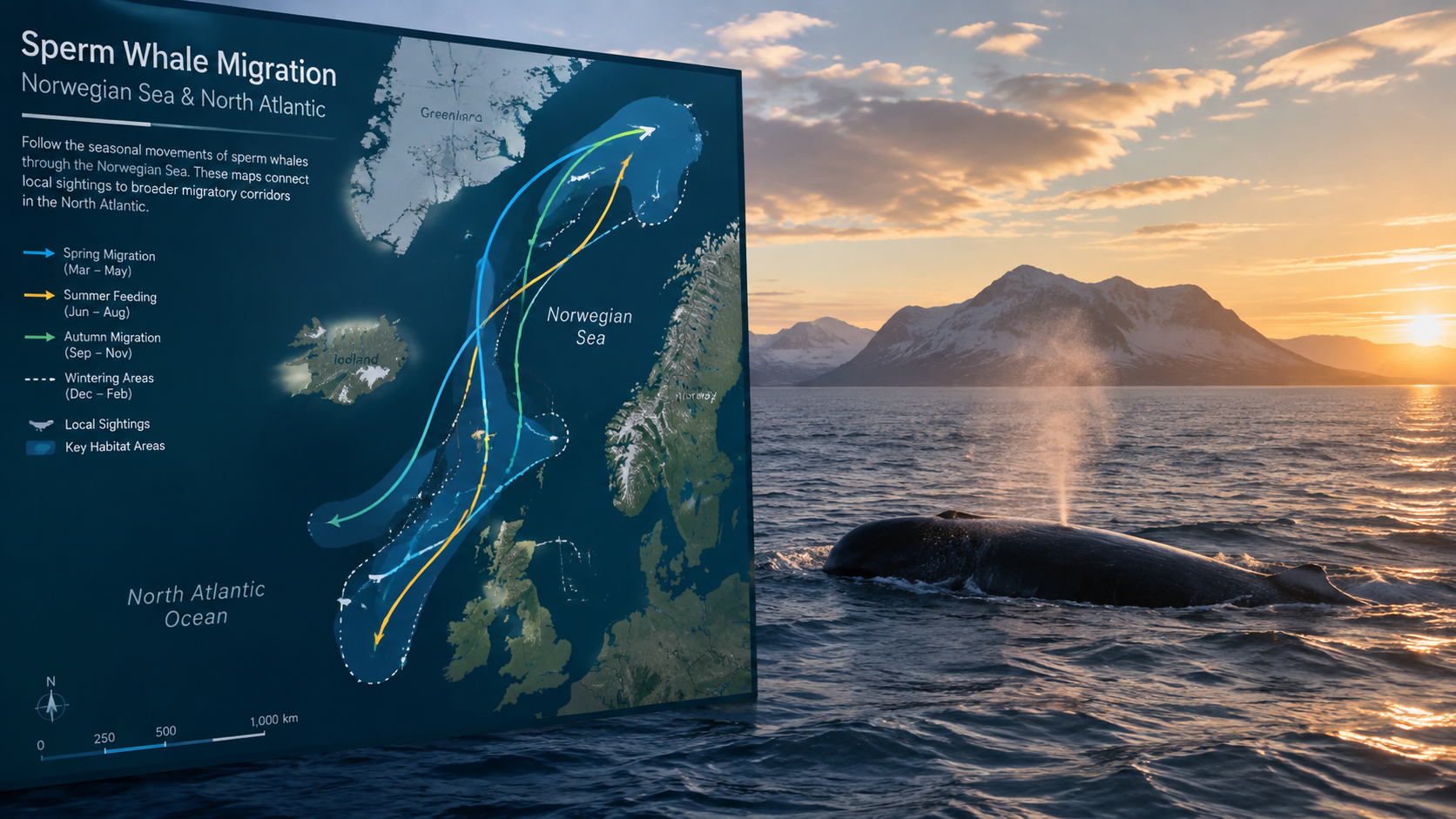
Whale Migration Maps
Interactive cartography displays illustrate the seasonal movements of sperm whales through the Norwegian Sea. These maps connect local sightings to broader migratory corridors in the North Atlantic.
Follow the illuminated paths to trace seasonal migration routes.
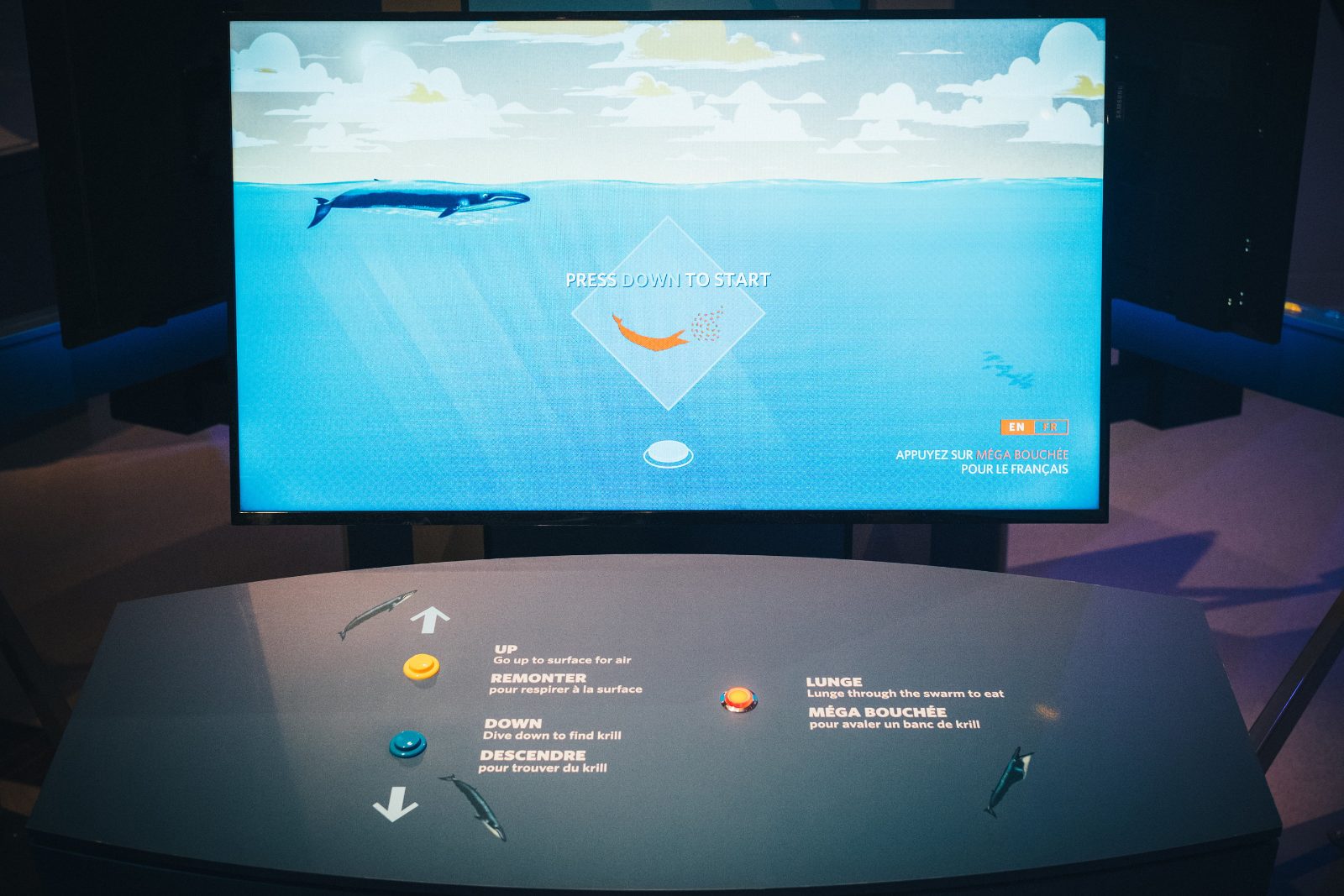
Interactive Conservation Area
This section provides information on ocean health and the impact of human activity on whale habitats. It focuses on current efforts to preserve the marine environment in Northern Norway.
Read the touch-screen displays to learn about local conservation initiatives.
Check availability
Frequently Asked Questions About the Whale Center in Andenes
Everything you need to know about norway whale watching museum